How Cavities Form and Which Treatment Suits Each Stage
A cavity rarely appears overnight. It develops slowly, in stages, as bacteria in the mouth feed on sugars and produce acid that wears away tooth structure. Knowing which stage your tooth is at helps you understand what treatment is actually needed, and why waiting can make a simple problem more complicated. At The Tooth Atelier in Sector 31, Gurugram, we see patients at every stage of this process, from a tiny white spot to a deep, painful cavity.
How a Cavity Actually Forms
Your mouth is home to bacteria that form a sticky film called plaque on your teeth. When you eat sugary or starchy food, these bacteria produce acid. This acid pulls minerals like calcium out of the enamel, the hard outer layer of the tooth. This process is called demineralisation. Saliva can partially reverse it by redepositing minerals, but if acid attacks happen frequently, the tooth loses more minerals than it gains, and decay begins.
Why Location in Sector 31 Matters Less Than Habits
Cavities are not caused by where you live, but by diet, brushing habits, and how often you visit a dentist for checkups. Patients across Sector 31, Gurugram often delay a visit until pain starts, by which point the decay has usually moved past the earliest, easiest-to-treat stage.
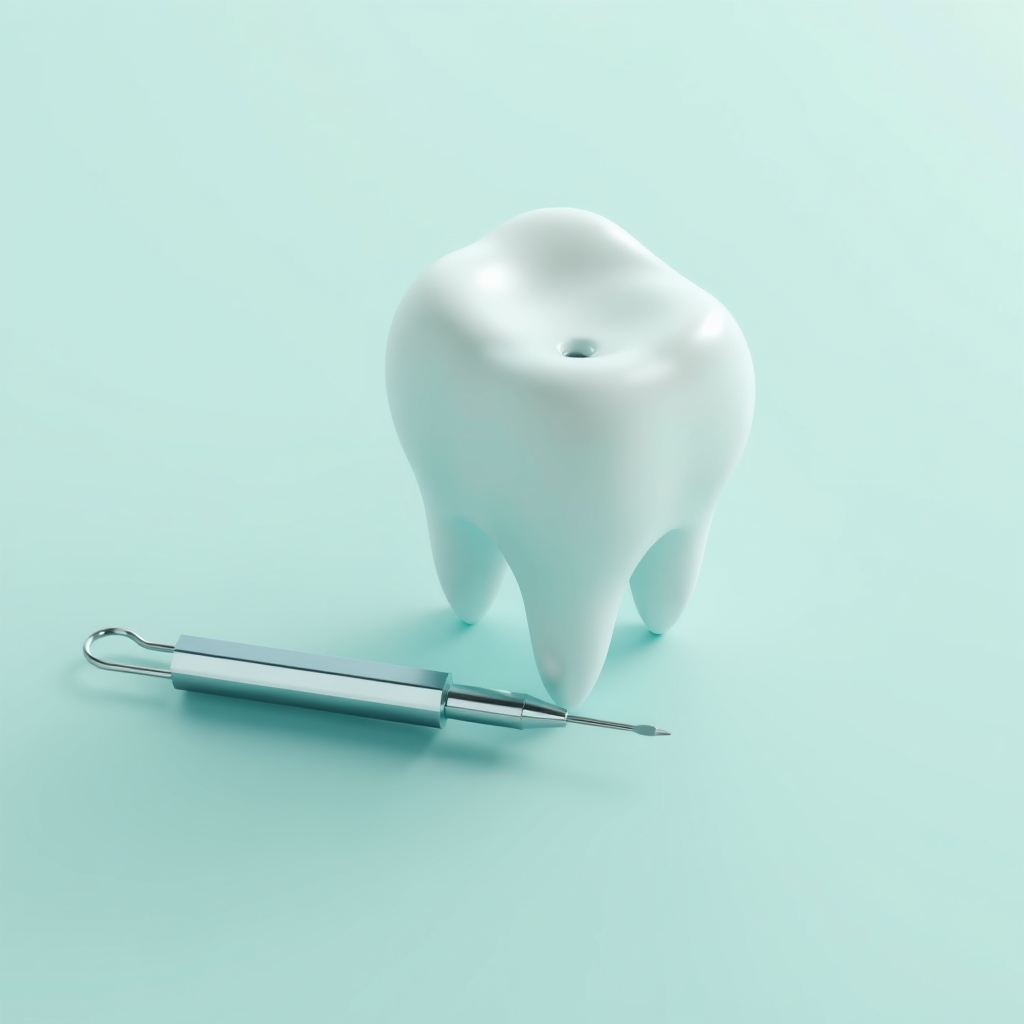
The Stages of Tooth Decay
Understanding these stages helps explain why your dentist recommends a particular treatment instead of another.
Stage 1: Early Demineralisation (White Spot Stage)
The enamel starts losing minerals, appearing as a dull white or chalky patch. There is no hole yet and usually no pain. This stage is reversible.
- Typical treatment: Fluoride application, improved brushing technique, and reducing sugary snacks between meals.
Stage 2: Enamel Decay
If demineralisation continues, the enamel surface breaks down and a small cavity forms. It may or may not cause sensitivity yet.
- Typical treatment: A simple filling to clean out the decayed area and restore the tooth shape. At this stage, fluoride alone is usually not enough since a physical hole cannot fill itself.
Stage 3: Dentin Decay
Once decay passes through enamel into the dentin, the softer layer underneath, it spreads faster because dentin is less mineralised. You may notice sensitivity to sweets, hot, or cold food.
- Typical treatment: A filling is still usually possible, though the cavity may be larger and require more of the tooth to be shaped and restored.
Stage 4: Pulp Involvement
If decay is left untreated, it reaches the pulp, the innermost part of the tooth containing nerves and blood vessels. This often causes noticeable pain, sensitivity that lingers, or swelling.
- Typical treatment: Root canal treatment to remove infected tissue and save the tooth, usually followed by a crown to protect what remains.
Stage 5: Abscess or Severe Damage
At the most advanced stage, infection can spread beyond the tooth root, sometimes causing swelling in the face or gums, and persistent throbbing pain.
- Typical treatment: Root canal treatment where possible, or extraction if the tooth cannot be saved, followed by discussion of replacement options.
| Stage | What You May Notice | Common Treatment |
|---|---|---|
| White spot | Chalky patch, no pain | Fluoride, diet changes |
| Enamel decay | Small visible hole | Filling |
| Dentin decay | Sensitivity to sweets or temperature | Filling |
| Pulp involvement | Persistent or sharp pain | Root canal treatment |
| Abscess | Swelling, throbbing pain | Root canal or extraction |
What This Means for Your Next Step
If you have noticed a dark spot, a rough patch, or mild sensitivity, it is worth having it examined before it progresses. An X-ray can show exactly how deep the decay has gone, even if it looks small on the surface. Costs for fillings and other treatments vary depending on the size and location of the cavity, but as a general guide, patients in Sector 31, Gurugram can expect a typical range depending on complexity, which your dentist will explain clearly after examination.
Preventing Future Cavities
- Brush twice daily with a fluoride toothpaste, reaching the back teeth thoroughly.
- Limit frequent snacking on sugary or starchy foods between meals.
- Use floss or interdental brushes to clean between teeth daily.
- Visit for a checkup every six months so small issues are caught early, when fluoride or a simple filling is often all that is needed.
Catching a cavity early almost always means a simpler, more comfortable, and more affordable treatment. If something feels off with a tooth, it is better to have it checked sooner rather than later.
Have questions about your teeth?
The Tooth Atelier · Basement, C-3, Shrimati Santhosh Yadav Rd, Sector 31, Gurugram
Frequently asked questions
Can a cavity heal on its own without treatment?
Very early demineralisation, where the tooth looks like a white chalky spot, can sometimes be reversed with fluoride and better brushing. Once a hole forms in the enamel, it cannot heal on its own and needs a filling.
How do I know if my cavity has reached the nerve?
Signs include sharp pain when eating, throbbing pain at night, or pain that lingers after hot or cold food. An X-ray at the clinic can confirm how deep the decay has gone.
Does a small cavity always need a filling?
Not always. If decay is limited to the outer enamel and caught early, fluoride treatment and diet changes may stop it from progressing. Your dentist will check with an X-ray before deciding.
Is it normal for a filled tooth to feel sensitive afterward?
Mild sensitivity to cold for a few days after a filling is common and usually settles on its own. If pain is severe or continues beyond two weeks, please get it checked.
Treatment costs mentioned on this page are indicative ranges for the Sector 31, Gurugram region. Your exact cost depends on your case and will be confirmed after a clinical examination at the clinic.