Dental Bridges: Types, Benefits, and How They Compare

Missing a tooth, even one, can affect the way you chew, speak, and smile. It can also allow neighbouring teeth to shift over time. A dental bridge is one of the most established ways to replace a missing tooth or a few missing teeth in a row. If you are researching options in Sector 31, Gurugram, here is a plain-English guide to how bridges work and how they compare to other choices.
What Is a Dental Bridge?
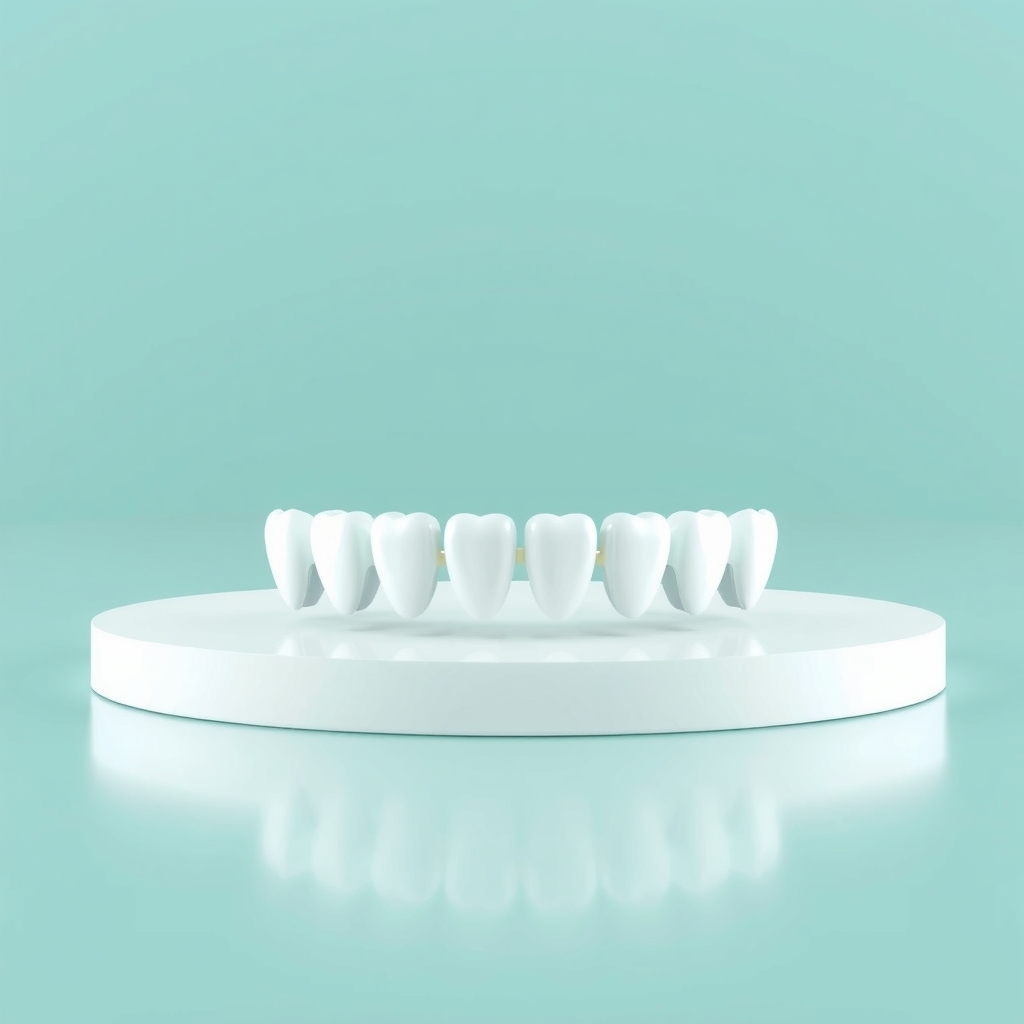
A dental bridge is a fixed dental restoration that replaces one or more missing teeth by anchoring an artificial tooth (called a pontic) to the natural teeth or implants on either side of the gap. Unlike removable dentures, a bridge stays firmly in place and functions much like your natural teeth once it is fitted.
Types of Dental Bridges
There are a few different designs, and the right one depends on the number of missing teeth, the condition of the surrounding teeth, and your overall oral health.
Traditional Bridge
This is the most common type. The teeth on either side of the gap (called abutment teeth) are shaped slightly and capped with crowns, which hold the artificial tooth in between. It is a reliable option when the neighbouring teeth are healthy and strong enough to support the extra load.
Cantilever Bridge
Used when there is only one natural tooth next to the gap, rather than teeth on both sides. The pontic is supported by a crown on just one side. This is less common today and is generally considered only in specific situations, since it can place more stress on the supporting tooth.
Maryland Bridge (Resin-Bonded Bridge)
This type uses a metal or porcelain framework bonded to the back of the neighbouring teeth, rather than full crowns. It is a more conservative option because it preserves more of the natural tooth structure, but it tends to suit front teeth replacements better than back teeth, which bear heavier chewing forces.
Implant-Supported Bridge
Instead of relying on natural teeth, this bridge is anchored to dental implants placed in the jawbone. It is often recommended when several teeth in a row are missing, since it avoids putting pressure on natural teeth altogether and can help maintain jawbone health.
How Bridges Compare to Other Options
| Option | Support Needed | Neighbouring Teeth | General Durability |
|---|---|---|---|
| Traditional Bridge | Natural teeth on both sides | Require shaping and crowns | Good, typically 10-15 years |
| Maryland Bridge | Natural teeth on both sides | Minimal shaping needed | Moderate, best for front teeth |
| Implant-Supported Bridge | Dental implants | Not affected | Very good, long-term option |
| Removable Denture | None fixed | Not affected | Lower, needs adjustment over time |
Things to Consider Before Choosing a Bridge
- The health and strength of the teeth next to the gap
- How many teeth need to be replaced
- Whether you prefer a fixed solution over a removable one
- Your budget and how it fits your overall treatment plan
- Your commitment to daily cleaning under and around the bridge
Typical Cost Range
The cost of a dental bridge in Sector 31, Gurugram depends on the type of bridge, the materials used, and the number of teeth involved. As a general guide, a typical range for a traditional three-unit bridge falls between roughly Rs. 15,000 and Rs. 45,000, while implant-supported bridges usually fall in a higher typical range due to the surgical component. These are indicative figures only, and your dentist can give you an accurate estimate after an examination.
Caring for a Dental Bridge
A bridge does not decay, but the teeth supporting it can still develop cavities or gum problems if not cleaned properly. Using a floss threader or interdental brush to clean under the pontic, along with regular brushing and dental checkups, helps the bridge last as long as possible.
If you are missing a tooth or teeth and want to understand which replacement option suits your situation, a proper evaluation makes all the difference. Visit The Tooth Atelier in Sector 31, Gurugram, or call +91 93157 02965 to book a consultation.
Have questions about your teeth?
The Tooth Atelier · Basement, C-3, Shrimati Santhosh Yadav Rd, Sector 31, Gurugram
Frequently asked questions
How long does a dental bridge last?
With good oral hygiene and regular checkups, a well-made bridge can last 10 to 15 years or longer. Its lifespan depends on the health of the supporting teeth and how well it is cared for.
Is getting a bridge painful?
The procedure is done under local anaesthesia, so you should feel little to no pain. Some mild sensitivity in the prepared teeth is normal for a few days afterward.
Can I get a bridge if I have gum disease?
Gum disease needs to be treated and stabilised first, since a bridge relies on healthy gums and bone to support the surrounding teeth. Your dentist will assess this before planning treatment.
Is a bridge better than a dental implant?
Both are effective options. Bridges are often faster and do not require a surgical step, while implants preserve the neighbouring teeth and can be better for long-term bone health. Your dentist can help you decide based on your specific case.
Treatment costs mentioned on this page are indicative ranges for the Sector 31, Gurugram region. Your exact cost depends on your case and will be confirmed after a clinical examination at the clinic.