Dental Sealants: A Simple Way to Protect Molars from Decay
Cavities often start in the same place: the deep grooves and pits on the chewing surfaces of back teeth. These grooves are hard to clean with a toothbrush, and food and bacteria can settle in without you noticing. Dental sealants are a simple, well-established way to protect these vulnerable areas before decay has a chance to develop. If you are exploring preventive options for yourself or your child, here is what you should know.
What Are Dental Sealants?
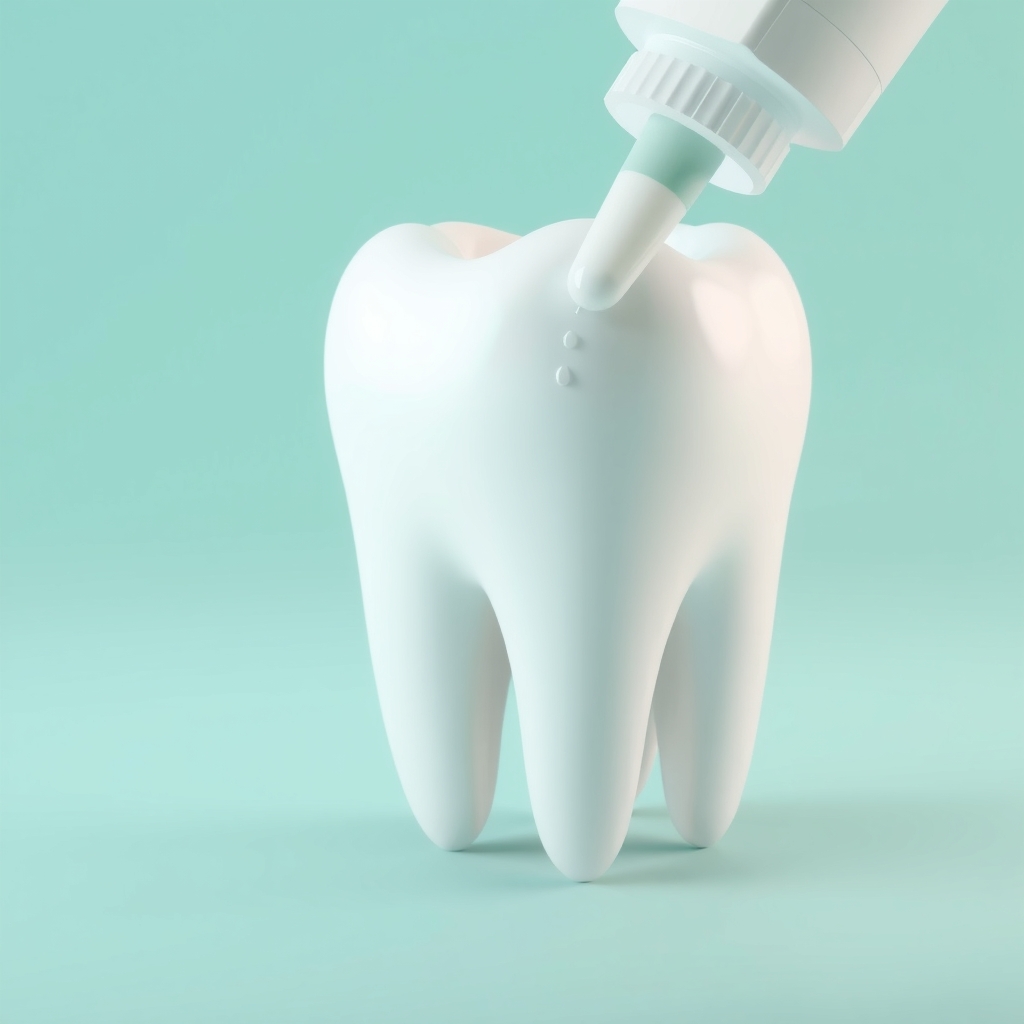
A dental sealant is a thin protective coating applied to the chewing surface of a molar or premolar. It is usually made of a tooth-colored or clear resin material. Once applied, it flows into the natural grooves of the tooth and hardens, creating a smooth barrier that keeps out food particles and plaque-forming bacteria.
Sealants are not fillings. They do not treat existing cavities. Instead, they are a preventive step, applied to healthy teeth to lower the chances of decay forming in the first place.
How Sealants Protect Molars
Back teeth have naturally uneven surfaces with narrow pits and fissures. Toothbrush bristles often cannot reach the bottom of these grooves, which makes them a common starting point for cavities, even in people who brush regularly.
By filling in these grooves, sealants:
- Create a smoother surface that is easier to clean
- Reduce the space where bacteria and food debris can collect
- Lower the risk of decay starting in molars and premolars
Sealants work best as a preventive layer alongside good brushing habits, fluoride use, and regular dental checkups. They are not a substitute for these basics, but they add an extra layer of protection where it is needed most.
The Sealant Procedure
Getting a sealant is quick and comfortable. It generally involves:
- Cleaning and drying the tooth surface
- Applying a mild conditioning gel to help the sealant bond well
- Rinsing and drying the tooth again
- Painting on the sealant material into the grooves
- Hardening the sealant with a curing light
The entire process takes only a few minutes per tooth and does not require numbing or drilling in most cases, since it is applied to a healthy tooth surface.
Who Should Consider Sealants: Kids vs Adults
Children and Teenagers
Sealants are most commonly recommended for children, usually soon after their permanent molars come in. These teeth appear in two main stages, around age six and again around age twelve, and both are considered good windows for sealant application. Children and teenagers benefit the most because:
- New molars have deep grooves that have not yet been exposed to years of wear
- Brushing technique in younger children is still developing
- Protecting these teeth early can reduce the chances of cavities and fillings later on
Adults
Sealants are not only for children. Adults can also benefit if:
- Their molars have deep grooves and have never had a filling
- They are prone to cavities despite good oral hygiene
- They previously missed the chance to get sealants as a child or teenager
Your dentist can check whether your back teeth have grooves deep enough to benefit from a sealant, and whether the tooth is healthy enough for one to be applied.
Sealants and Overall Dental Care
Sealants work best as one part of a complete preventive routine. They do not protect the sides of teeth or areas between teeth, so brushing twice a day, flossing, and using fluoride toothpaste remain essential. Regular dental visits also allow your dentist to check the condition of existing sealants, since they can wear down over time and may need to be reapplied.
| Aspect | Details |
|---|---|
| Best candidates | Children with new permanent molars, teenagers, and adults with deep-grooved, cavity-free molars |
| Procedure time | A few minutes per tooth |
| Comfort | Painless, no drilling or anesthesia typically needed |
| Typical range (Sector 31, Gurugram) | Varies by number of teeth and clinical assessment; your dentist can share exact costs after examination |
If you are a parent in Sector 31, Gurugram wondering whether your child's new molars need sealants, or an adult curious if this preventive option suits you, a simple dental check-up can help clarify the right approach. Preventing a cavity is always simpler and more comfortable than treating one.
Have questions about your teeth?
The Tooth Atelier · Basement, C-3, Shrimati Santhosh Yadav Rd, Sector 31, Gurugram
Frequently asked questions
Do sealants hurt to apply?
No. The process is painless and does not need anesthesia. It simply involves cleaning the tooth and applying a coating that hardens with a special light.
How long do dental sealants last?
Sealants typically last several years with normal use, though they should be checked at regular dental visits since they can wear down or chip over time.
Can sealants replace brushing and flossing?
No. Sealants add extra protection to the chewing surfaces of molars but do not replace daily brushing, flossing, and regular checkups.
Are sealants only for children?
Sealants are most common in children and teenagers, but adults without fillings or decay in their molars can also benefit, especially if their teeth have deep grooves.
Treatment costs mentioned on this page are indicative ranges for the Sector 31, Gurugram region. Your exact cost depends on your case and will be confirmed after a clinical examination at the clinic.