Complete and Partial Dentures: Types, Care, and Adjustment Tips
Losing several teeth or all of your natural teeth can affect chewing, speech, and confidence. Dentures remain a reliable, time-tested way to restore function and appearance. If you are exploring options in Sector 31, Gurugram, understanding the types available, how to care for them, and what the adjustment period feels like can help you make a more informed decision.
Types of Dentures
Dentures are custom-made replacements for missing teeth and surrounding tissue. The right type depends on how many teeth are missing and the condition of your remaining teeth and gums.
Complete Dentures
Complete dentures are used when all teeth in the upper or lower jaw (or both) are missing. They rest directly on the gums and are held in place by suction and, over time, muscle control. There are two common approaches:
- Conventional dentures are placed a few weeks after teeth are removed, once the gums have healed.
- Immediate dentures are placed right after extraction, avoiding a gap in your smile, though they usually need adjustment or relining later as gums heal and change shape.
Partial Dentures
Partial dentures fill in gaps when some natural teeth are still present and healthy. They usually attach to remaining teeth with metal or plastic clasps.
- Removable partial dentures are cost-effective and can be taken out for cleaning.
- Cast metal framework partials are more durable and tend to fit more precisely than acrylic-based ones.
- Flexible partials use a gum-coloured, bendable material for a more natural look and comfortable fit, useful for patients with clasp sensitivity.
| Type | Best for | Typical range (Sector 31, Gurugram) |
|---|---|---|
| Complete acrylic denture | Full arch tooth loss | ₹8,000 to ₹25,000 per arch |
| Removable partial (acrylic) | Few missing teeth with healthy remaining teeth | ₹5,000 to ₹15,000 |
| Cast metal partial | Durability and precise fit | ₹12,000 to ₹30,000 |
| Flexible partial | Natural look, comfort | ₹10,000 to ₹25,000 |
These are typical ranges only. Your dentist at The Tooth Atelier can give you a firmer estimate after an examination, since materials, the number of teeth, and any additional procedures affect the final cost.
Caring for Your Dentures
Good daily care extends the life of your dentures and protects your oral health.
- Rinse dentures after eating to remove food particles.
- Brush them daily with a soft brush and a mild, non-abrasive cleanser made for dentures. Regular toothpaste can be too abrasive.
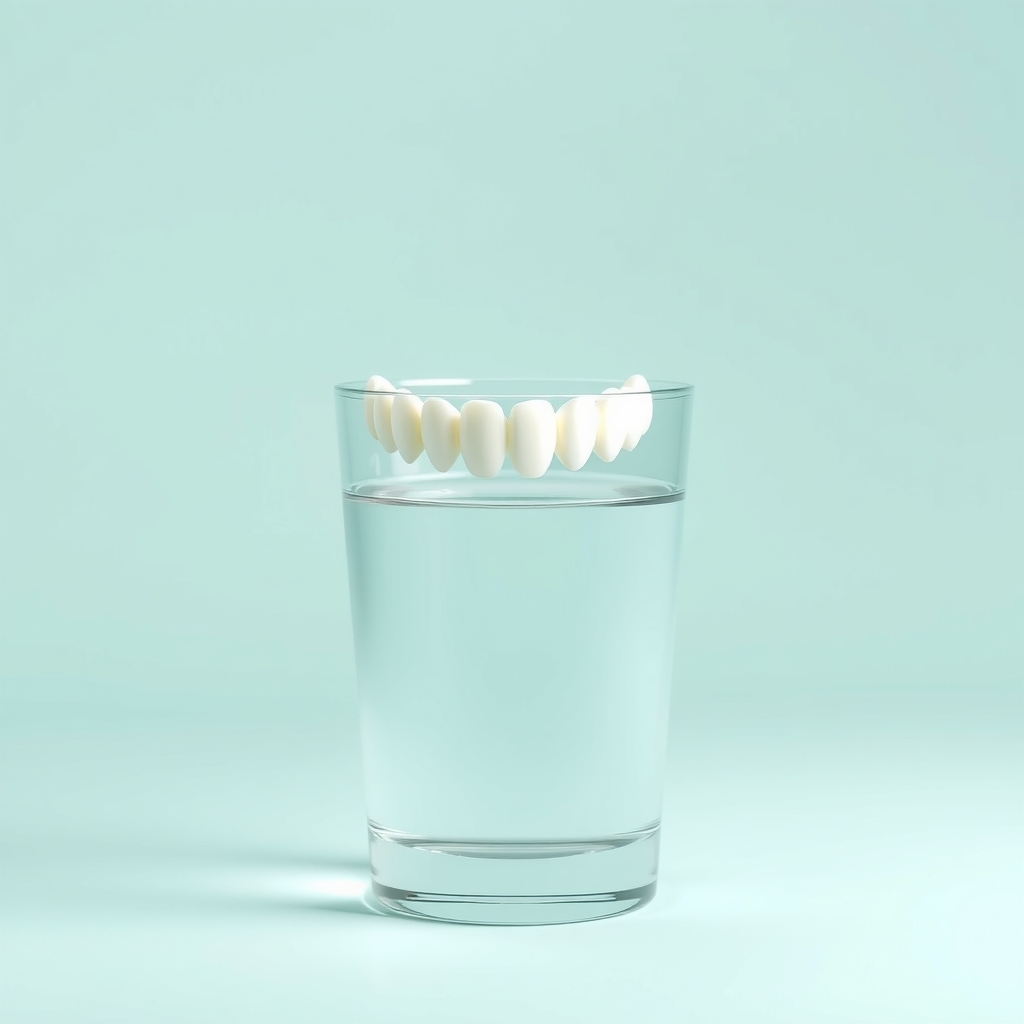
- Soak dentures overnight in water or a recommended cleaning solution to keep them from drying out and warping.
- Handle them carefully over a folded towel or a basin of water in case they slip from your hands.
- Clean your gums, tongue, and any remaining natural teeth every day, even when dentures are out.
- Avoid hot water, which can distort the denture material.
- Visit your dentist for regular checkups so fit and gum health can be monitored.
What to Expect During the Adjustment Period
New dentures often feel unfamiliar at first. This is normal and usually improves with time and practice.
- Soreness or irritation: Gums may feel tender for the first few days to weeks as tissues adapt. Minor adjustments at follow-up visits can ease this.
- Increased saliva: Your mouth may produce more saliva initially. This typically settles within a couple of weeks.
- Speech changes: Some words may feel harder to pronounce at first. Reading aloud daily helps your tongue and lips adjust faster.
- Eating adjustments: Start with soft foods cut into small pieces, chew slowly, and use both sides of your mouth evenly. Gradually reintroduce firmer foods as confidence builds.
- Loose feeling: Muscles around the cheeks and tongue need time to learn how to hold dentures in place. This gets easier with daily use.
If soreness persists beyond a couple of weeks, or if a denture feels consistently loose or causes pain while chewing, it is worth getting it checked rather than pushing through discomfort.
When to See a Dentist
Schedule a visit if you notice cracks, chips, loose fit, persistent sore spots, or difficulty speaking or eating weeks after getting your dentures. Regular reviews also help catch changes in your gums and jawbone early, so your dentures continue to fit well over the years. Patients in Sector 31, Gurugram can visit The Tooth Atelier for a fitting assessment, adjustment, or a general denture checkup as part of routine dental care.
Have questions about your teeth?
The Tooth Atelier · Basement, C-3, Shrimati Santhosh Yadav Rd, Sector 31, Gurugram
Frequently asked questions
How long does it take to get used to new dentures?
Most people need a few weeks to a couple of months to adjust. Speaking and chewing feel more natural as your muscles and cheeks learn the new shape. Soreness and increased saliva flow usually settle within the first few weeks.
Can I sleep with my dentures in?
It is generally better to remove dentures at night. This gives your gums a rest and allows saliva to naturally clean your tissues. Soak them in water or a denture-cleaning solution while you sleep.
How often should dentures be replaced or relined?
Dentures typically last 5 to 8 years, though this varies with wear and changes in your jawbone and gums. A checkup at our Sector 31 clinic can tell you if a reline, repair, or replacement is needed.
Will dentures affect how I speak or eat?
Initially yes, some patients notice a slight change in speech or a learning curve while eating. Practising reading aloud and starting with soft foods cut into small pieces usually helps you adapt faster.
Treatment costs mentioned on this page are indicative ranges for the Sector 31, Gurugram region. Your exact cost depends on your case and will be confirmed after a clinical examination at the clinic.