What Causes Tooth Enamel Erosion and How Is It Treated?
If your teeth feel rougher than before, look a little more yellow, or react sharply to cold water or sweets, you may be dealing with enamel erosion. Enamel is the hard, protective outer layer of your teeth, and once it wears away, it does not grow back on its own. The good news is that erosion can often be slowed down early, and existing damage can usually be managed with the right dental treatment. Patients across Sector 31, Gurugram visit us with exactly these concerns, and understanding the cause is the first step to protecting your smile.
What Is Tooth Enamel and Why Does It Matter
Enamel is the hardest tissue in the human body, but it is not indestructible. It protects the softer, yellowish layer underneath called dentin. When enamel thins, dentin starts to show through, which is why eroded teeth often look more yellow. Thinner enamel also means less of a barrier between the outside world and the nerve-rich inner part of the tooth, which leads to sensitivity.
Common Causes of Enamel Erosion
Acidic Foods and Drinks
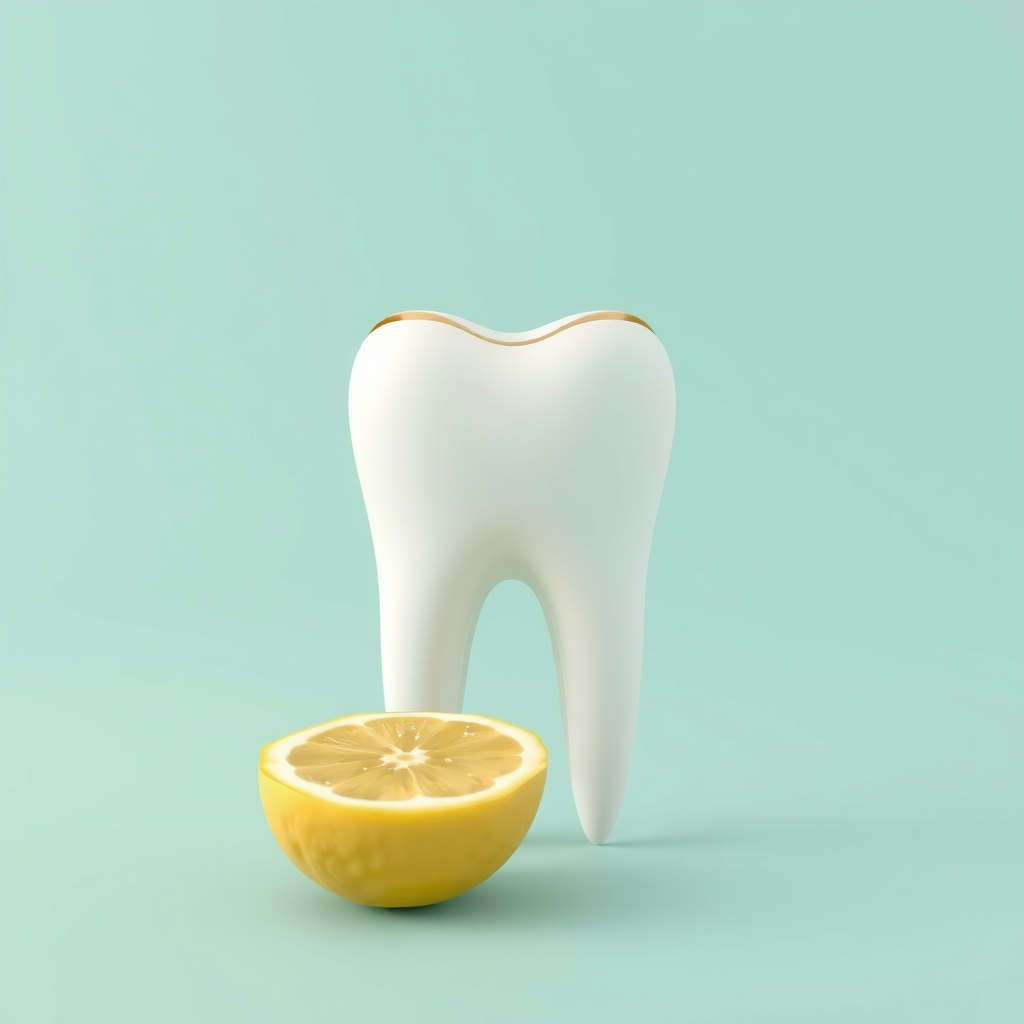
Frequent consumption of citrus fruits, fizzy drinks, fruit juices, wine, and vinegar-based foods exposes enamel to acid attacks throughout the day. It is not just sugary drinks that cause harm, even "healthy" options like lemon water or kombucha can be acidic enough to soften enamel if consumed often.
Acid Reflux and Vomiting
Conditions like GERD (gastroesophageal reflux disease), frequent vomiting, or even occasional acid reflux bring stomach acid into contact with teeth. Stomach acid is far stronger than most dietary acids, and repeated exposure, especially at night, can cause noticeable erosion on the inner surfaces of the upper front teeth.
Over-Brushing and Incorrect Technique
Brushing too hard, using a hard-bristled toothbrush, or brushing immediately after consuming something acidic can physically wear away softened enamel. Many patients believe firmer brushing cleans better, but it often does more harm than good, especially near the gum line.
Dry Mouth and Low Saliva Flow
Saliva helps neutralise acids and wash away food particles. Reduced saliva flow, caused by certain medications, mouth breathing, or some medical conditions, leaves teeth more vulnerable to acid damage.
Teeth Grinding (Bruxism)
Grinding or clenching can wear down enamel mechanically over time, often combined with chemical erosion from diet or reflux, making the damage worse.
Signs You May Be Noticing
- Teeth appearing more yellow or translucent, especially at the edges
- Increased sensitivity to cold, hot, or sweet foods
- A rough or uneven feeling on the biting surface
- Rounded, chipped, or shortened front teeth
- Cupped or dented areas on the chewing surfaces of back teeth
Treatment Options for Eroded Enamel
Treatment depends on how much enamel has been lost and whether the cause has been identified and controlled.
For Mild, Early Erosion
- Fluoride applications or prescription fluoride toothpaste to strengthen remaining enamel
- Switching to a soft-bristled brush and a gentler brushing technique
- Reducing frequency of acidic food and drink exposure, and rinsing with water afterward instead of brushing immediately
- Managing acid reflux with medical guidance from a physician
For Moderate to Advanced Erosion
- Tooth-coloured bonding to rebuild worn edges and restore shape
- Dental veneers for teeth with significant wear on visible surfaces
- Crowns for teeth that have lost a large amount of structure
- A custom night guard if grinding is contributing to the wear
In many cases, a combination approach works best, protecting what enamel remains while restoring the appearance and function of worn teeth.
| Severity | Typical Approach |
|---|---|
| Mild (sensitivity, slight dullness) | Fluoride treatment, diet and brushing changes |
| Moderate (visible wear, shape change) | Bonding or veneers |
| Severe (structural loss) | Crowns, combined with night guard if needed |
Cost Considerations
Treatment cost varies depending on the number of teeth involved and the method used. As a general guide for patients in Sector 31, Gurugram, fluoride treatments and preventive care fall in a lower typical range, while bonding, veneers, or crowns involve a higher typical range depending on the material and extent of restoration. A clinical examination is the only way to get an accurate estimate for your specific case.
When to See a Dentist
If you notice sensitivity that does not go away, visible changes in tooth colour or shape, or roughness on your teeth, it is worth getting examined sooner rather than later. Catching erosion early gives you more options and can help prevent the need for more extensive restorative work later on.
Have questions about your teeth?
The Tooth Atelier · Basement, C-3, Shrimati Santhosh Yadav Rd, Sector 31, Gurugram
Frequently asked questions
Can eroded enamel grow back?
No. Enamel does not regenerate once it is lost because it has no living cells. However, early thinning can be managed with fluoride and remineralising treatments to stop it from getting worse, and more advanced erosion can be restored with dental materials.
How do I know if I have enamel erosion?
Common signs include teeth that look more yellow because the dentin underneath is showing, increased sensitivity to cold or sweet foods, rounded or chipped edges on front teeth, and a smooth or glassy appearance on the tooth surface.
Is sensitivity always a sign of enamel loss?
Not always, but it is one of the most common early signs. A dental check-up can confirm whether sensitivity is due to enamel wear, gum recession, a cavity, or another cause.
Will brushing harder help remove stains if my teeth look dull?
No, brushing harder can actually worsen enamel wear and will not remove intrinsic staining. Gentle brushing with the right technique and a dentist-guided whitening or polishing option is safer and more effective.
Treatment costs mentioned on this page are indicative ranges for the Sector 31, Gurugram region. Your exact cost depends on your case and will be confirmed after a clinical examination at the clinic.