Why Does My Jaw Click, Lock, or Ache? Understanding TMJ Disorder
If you have ever felt your jaw click when you open wide, or noticed it catching, locking, or aching after a long day, you are not alone. These are common symptoms of a temporomandibular joint (TMJ) disorder, a condition affecting the joint that connects your jawbone to your skull. Many patients in Sector 31, Gurugram visit us with exactly this concern, often unsure whether it is serious or just a minor habit-related issue.
This article explains what causes TMJ disorder, how it is diagnosed, and what treatment options are available so you can understand your next steps with confidence.
What Causes the Jaw Joint to Click, Lock, or Ache
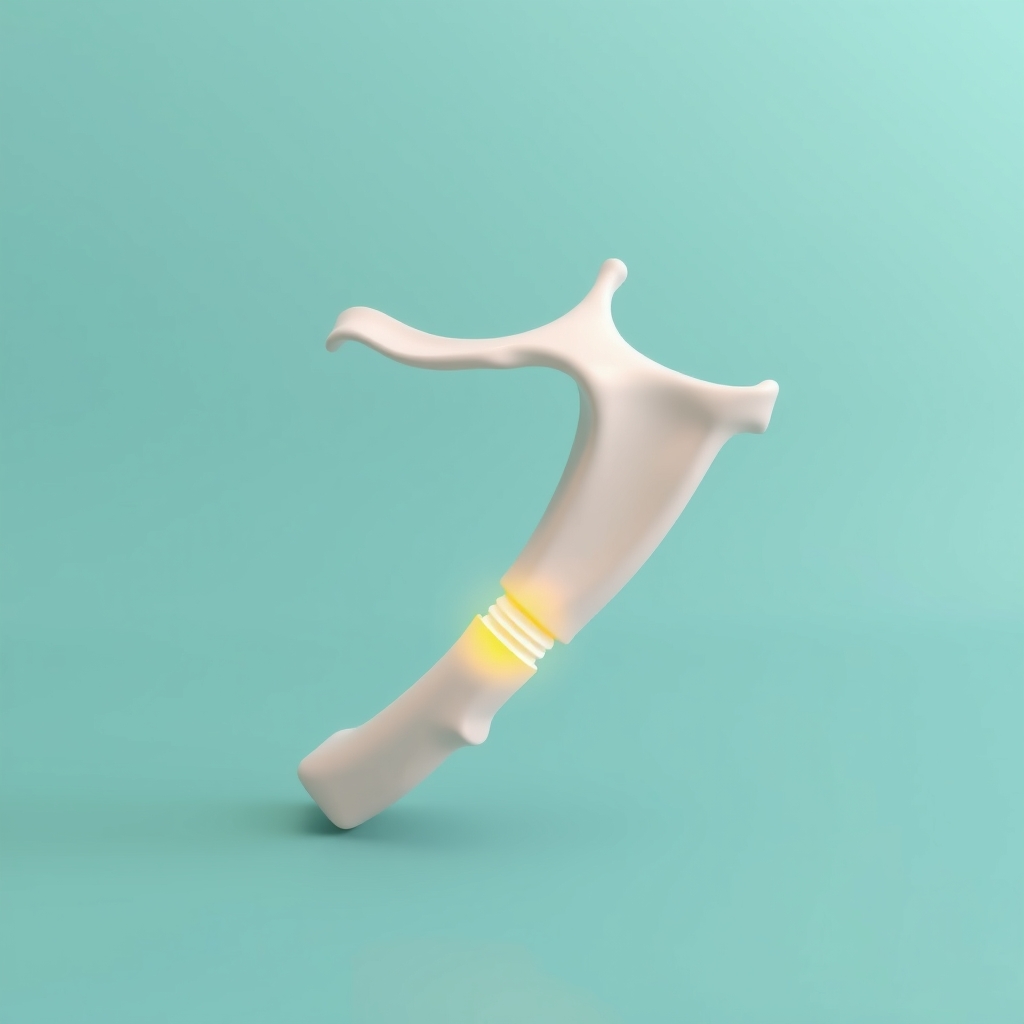
The TMJ is a small but hardworking joint that moves every time you speak, chew, or yawn. Several factors can disrupt its normal function.
- Teeth grinding or clenching (bruxism): Often linked to stress, this puts excess pressure on the joint and surrounding muscles.
- Jaw misalignment or bite issues: An uneven bite can force the joint to work harder or move unevenly.
- Injury or trauma: A blow to the jaw or face can displace the joint's disc or ligaments.
- Arthritis: Wear and tear or inflammatory arthritis can affect the joint cartilage over time.
- Poor posture and stress: Prolonged desk work, phone use, and tension can tighten jaw and neck muscles.
Common Symptoms to Watch For
- Clicking or popping sound when opening or closing the mouth
- Jaw locking, either fully open or shut, even briefly
- Pain or tenderness near the ears, jaw, or temples
- Difficulty chewing or a change in how your teeth fit together
- Frequent headaches or earaches without an obvious ear infection
Occasional, painless clicking is usually not a cause for concern. However, if pain, locking, or chewing difficulty is present, it is worth getting the joint evaluated rather than waiting for it to worsen.
How TMJ Disorder Is Diagnosed
At The Tooth Atelier, diagnosis begins with a detailed conversation about your symptoms, habits, and medical history. This is followed by a hands-on examination.
- Jaw movement assessment: Checking how wide you can open, and whether movement is smooth or restricted.
- Bite evaluation: Looking at how your upper and lower teeth meet.
- Palpation: Gently examining the jaw muscles and joint for tenderness or swelling.
- Imaging if needed: X-rays or other scans may be recommended to view the joint structure more clearly, especially if locking or significant pain is present.
Treatment Options Available at the Clinic
Treatment is tailored to the underlying cause and severity of your symptoms. Most cases respond well to conservative, non-surgical approaches.
Lifestyle and Self-Care Guidance
Simple changes often bring meaningful relief, including eating softer foods temporarily, applying warm or cold compresses, and avoiding excessive gum chewing or wide yawning during flare-ups.
Night Guards or Splints
If grinding or clenching is contributing to your symptoms, a custom-fitted night guard can reduce pressure on the joint and protect your teeth from further wear.
Bite Correction
Where misalignment is a factor, adjustments to the bite or orthodontic guidance may be suggested to distribute chewing forces more evenly.
Physiotherapy and Jaw Exercises
Gentle stretching and strengthening exercises can improve joint mobility and reduce muscle tension. We guide you on exercises suited to your specific symptoms.
Medication Support
For pain and inflammation, short-term anti-inflammatory medication or muscle relaxants may be advised alongside other therapies.
| Treatment | Typical Use Case |
|---|---|
| Night guard or splint | Grinding, clenching, mild to moderate clicking |
| Bite correction | Uneven bite contributing to joint strain |
| Physiotherapy | Muscle tightness, restricted jaw movement |
| Medication | Acute pain or inflammation flare-ups |
Costs for TMJ evaluation and treatment vary depending on the diagnosis and appliances required. As a general guide, a typical range for a consultation and basic evaluation in Sector 31, Gurugram starts modestly, with custom appliances like night guards falling into a separate typical range depending on the material and design used. Your exact cost will be discussed after examination.
When to See a Dentist
You should not ignore persistent jaw pain, frequent locking, or symptoms that interfere with eating and speaking. Early evaluation often means simpler, more conservative treatment. If you are experiencing any of these symptoms, our team at The Tooth Atelier is here to help you understand what is happening and guide you toward relief.
Have questions about your teeth?
The Tooth Atelier · Basement, C-3, Shrimati Santhosh Yadav Rd, Sector 31, Gurugram
Frequently asked questions
Is jaw clicking always a sign of TMJ disorder?
Not necessarily. Many people have occasional, painless clicking that needs no treatment. It becomes a concern when clicking is paired with pain, locking, or difficulty chewing.
Can TMJ disorder go away on its own?
Mild cases often improve with rest, soft food, and jaw exercises. Persistent or worsening symptoms usually need professional evaluation to prevent long-term joint strain.
Will I need surgery for TMJ disorder?
Most patients respond well to conservative treatments like splints, physiotherapy, and lifestyle changes. Surgery is considered only in rare, severe cases after other options fail.
How long does TMJ treatment usually take?
It varies by cause and severity. Some patients notice relief within a few weeks, while others need a few months of guided therapy and follow-up adjustments.
Treatment costs mentioned on this page are indicative ranges for the Sector 31, Gurugram region. Your exact cost depends on your case and will be confirmed after a clinical examination at the clinic.