Laser Dentistry Explained: How It Works and What It Treats
If you have been researching modern dental treatments, you may have come across the term "laser dentistry" and wondered how it differs from the traditional drills and instruments you are used to. At The Tooth Atelier in Sector 31, Gurugram, we understand that patients want to know their options before deciding on a procedure. This article explains how laser dentistry works, its benefits, and the common treatments where it is used.
What Is Laser Dentistry?
Laser dentistry uses focused beams of light energy to perform various dental procedures. Depending on the wavelength and settings, lasers can be used to reshape or remove soft tissue (like gums), treat hard tissue (like teeth), or assist in processes like teeth whitening and cavity detection.
Lasers have been used in dentistry for several decades, and the technology has steadily improved in precision and safety. They are not meant to replace every dental tool but serve as an additional option for specific procedures where their benefits are most useful.
How Does Laser Dentistry Work?
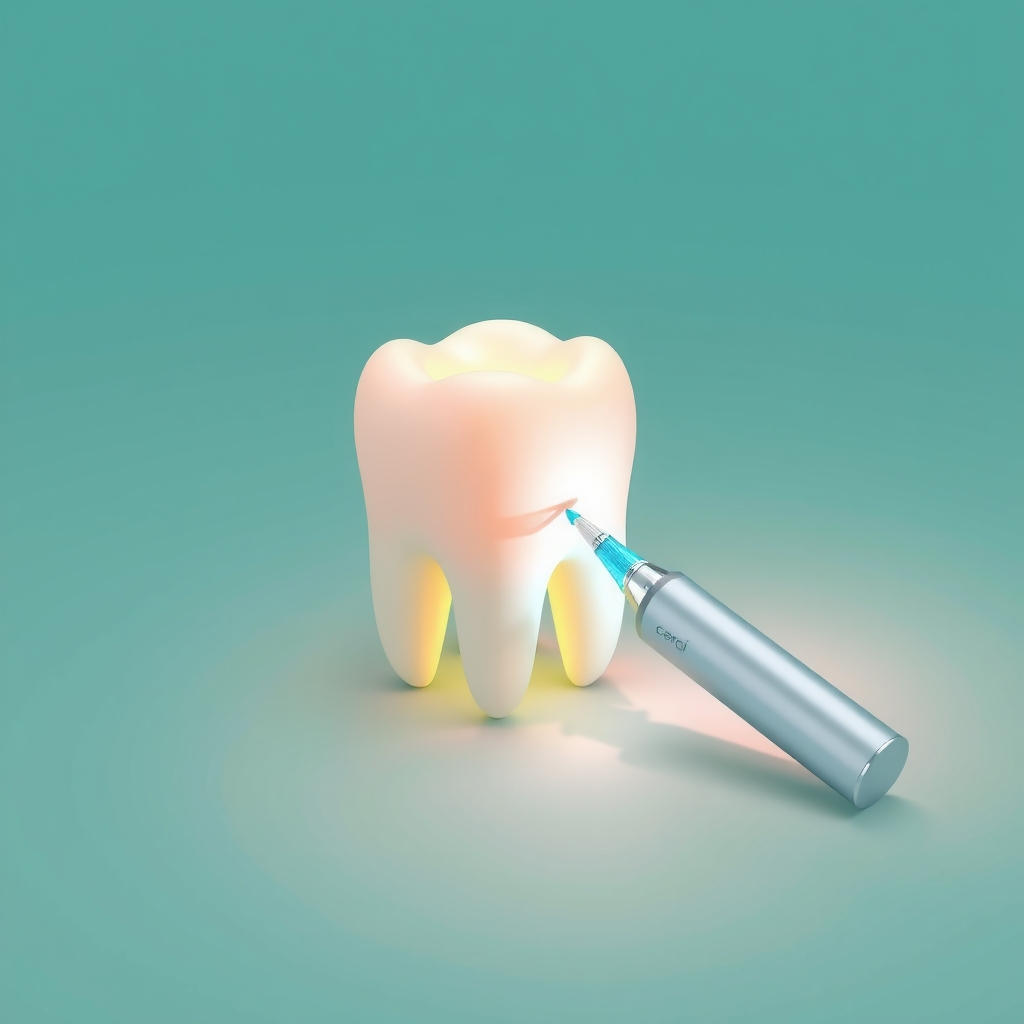
A dental laser emits a narrow, concentrated beam of light that interacts with tissue in a controlled way. Depending on the procedure, this energy can:
- Cut or vaporise soft tissue, such as during gum reshaping
- Remove decayed portions of a tooth with minimal pressure
- Seal blood vessels and nerve endings as it works, which can reduce bleeding
- Stimulate tissue healing in certain procedures
Your dentist selects the type of laser and its settings based on the specific procedure and the tissue being treated. This level of control is one of the reasons lasers can offer more precision than some traditional instruments.
Benefits of Laser Dentistry Over Traditional Tools
While not every situation calls for a laser, there are several potential advantages worth understanding:
Greater Precision
Lasers allow dentists to target only the affected area, often preserving more healthy tissue compared to traditional drilling.
Reduced Bleeding and Swelling
Because lasers can seal blood vessels as they work, some soft tissue procedures result in less bleeding during treatment.
Lower Need for Anaesthesia in Certain Cases
Some minor procedures may require less local anaesthesia since lasers can be gentler than mechanical tools. However, this depends on the complexity of the treatment and will be assessed by your dentist.
Faster Healing for Some Procedures
Many patients experience quicker recovery after certain laser-based soft tissue treatments, though healing time still depends on the individual and the procedure performed.
Reduced Noise and Vibration
Patients who feel anxious about the sound or vibration of traditional dental drills often find laser treatment more comfortable, as it typically produces less noise.
Common Procedures Where Laser Dentistry Is Used
Laser technology is applied across several areas of dentistry. Some of the most common uses include:
| Procedure | How Laser Is Used |
|---|---|
| Gum reshaping (gingival contouring) | Removes or reshapes excess gum tissue with precision |
| Treating gum disease | Removes infected tissue and reduces bacteria around the gum line |
| Cavity detection | Certain laser devices help identify early decay that may be missed visually |
| Teeth whitening | Laser light can activate whitening agents to speed up the process |
| Frenectomy (tongue-tie or lip-tie release) | Precisely releases restrictive tissue with reduced bleeding |
| Treating cold sores or mouth ulcers | Laser energy may help reduce pain and support faster healing |
Not every dental clinic offers the same range of laser treatments, and not every patient is a suitable candidate. During a consultation, your dentist will evaluate your oral health and recommend whether a laser-based or traditional approach is more appropriate for your specific case.
Is Laser Dentistry Right for You?
Laser dentistry is a helpful tool in a dentist's practice, but it works best when used for the right procedure and patient. If you are considering a treatment and want to know whether a laser-based option is available, discussing your specific concerns with your dentist is the best way to get accurate guidance tailored to your needs.
At The Tooth Atelier in Sector 31, Gurugram, our team evaluates each case individually to recommend the most suitable and comfortable approach for your dental health.
Have questions about your teeth?
The Tooth Atelier · Basement, C-3, Shrimati Santhosh Yadav Rd, Sector 31, Gurugram
Frequently asked questions
Is laser dentistry painful?
Most patients feel less discomfort than with traditional tools because lasers are precise and often reduce the need for drilling or cutting. Some procedures still need local anaesthesia depending on the extent of treatment.
Is laser treatment safe for children and elderly patients?
Yes, when performed by a trained dentist, laser dentistry is considered safe for most age groups. Your dentist will assess your specific health history before recommending it.
Does laser dentistry cost more than traditional treatment?
It can, since laser equipment and training involve higher investment. Costs vary by procedure, so it is best to discuss a typical range during your consultation.
Can lasers replace all dental drills?
No. Lasers work well for many soft and hard tissue procedures, but some situations like placing certain fillings or adjusting bite still require traditional tools.
Treatment costs mentioned on this page are indicative ranges for the Sector 31, Gurugram region. Your exact cost depends on your case and will be confirmed after a clinical examination at the clinic.