Types of Bite Misalignment: Causes, Diagnosis, and Correction
Many people in Sector 31, Gurugram notice something slightly off about how their teeth meet, perhaps while chewing, speaking, or simply looking in the mirror. This is often due to a bite misalignment, also called malocclusion. Understanding which type you have is the first step toward deciding if and how it should be corrected.
What Is Bite Misalignment?
A bite misalignment happens when the upper and lower teeth do not line up correctly when the jaw is closed. This can affect chewing efficiency, jaw comfort, speech clarity, and even the appearance of your smile. Bite problems range from mild, which may not need treatment, to more noticeable issues that benefit from correction.
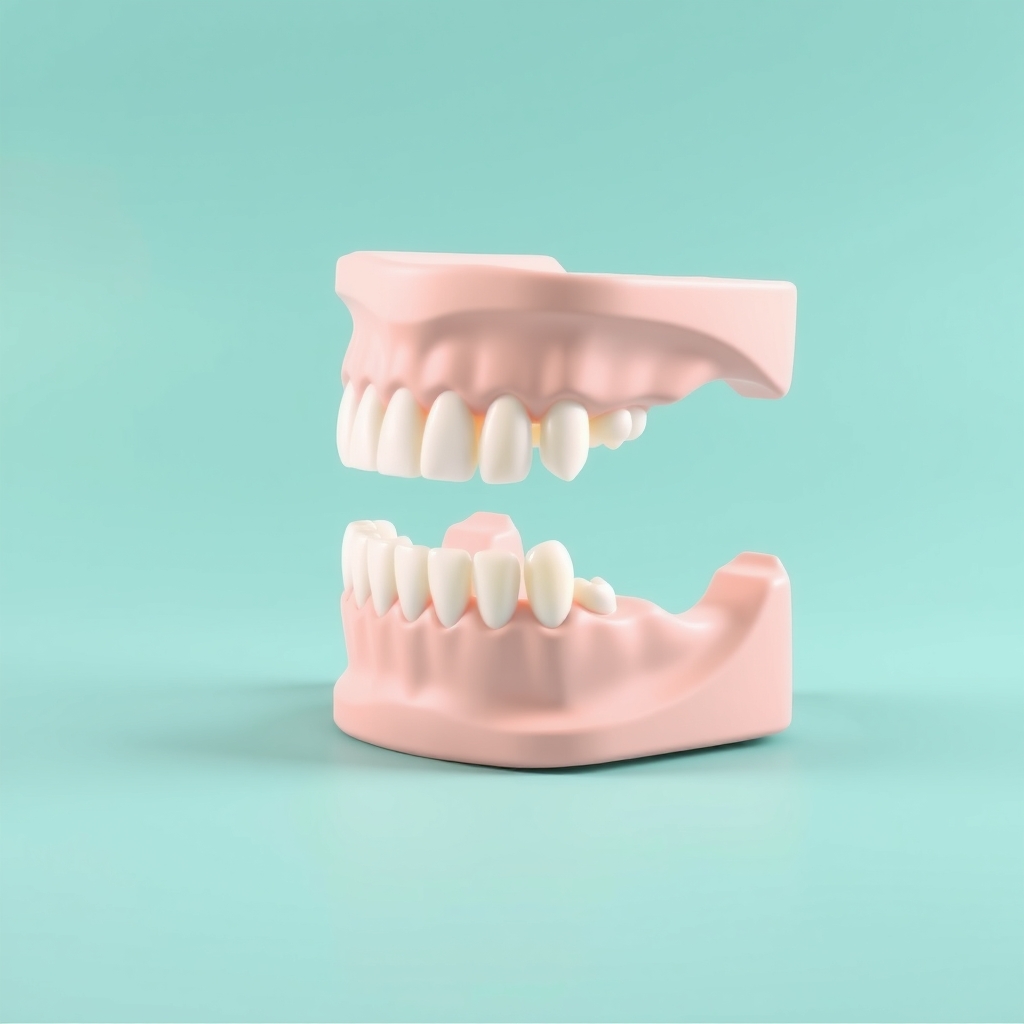
Common Types of Bite Misalignment
Overbite
An overbite occurs when the upper front teeth overlap significantly over the lower front teeth. A small amount of overlap is normal, but an excessive overbite can lead to gum irritation, uneven wear, and jaw strain over time.
Underbite
In an underbite, the lower teeth and jaw extend further forward than the upper teeth. This can make chewing certain foods difficult and may give the lower jaw a more prominent appearance.
Crossbite
A crossbite happens when one or more upper teeth sit inside the lower teeth, instead of outside as expected, when biting down. This can occur on one or both sides of the mouth and may lead to uneven jaw growth if present from a young age.
Open Bite
An open bite is when the upper and lower front teeth do not touch at all when the back teeth are closed together. This often affects speech and makes it harder to bite into certain foods like sandwiches or fruit.
What Causes Bite Misalignment?
- Genetics and inherited jaw or tooth size differences
- Childhood habits such as thumb sucking or prolonged pacifier use
- Early loss of baby teeth or delayed eruption of permanent teeth
- Tongue thrusting or mouth breathing habits
- Injury to the jaw or teeth
- Missing or extra teeth affecting alignment
How Dentists Diagnose Bite Problems
Diagnosis usually starts with a clinical examination where the dentist observes how your teeth meet and checks for wear patterns, jaw movement, and any discomfort. Additional tools may include:
- Dental X-rays to evaluate tooth and jaw positioning
- Bite impressions or digital scans to study the bite relationship closely
- Photographs to track facial and dental alignment
At The Tooth Atelier, our dentists take time to explain which type of bite irregularity is present and whether it needs active correction or simply monitoring.
Correction Options
Treatment depends on the type and severity of the misalignment, as well as the patient's age.
| Bite Type | Possible Correction Approach |
|---|---|
| Overbite | Braces, clear aligners, or growth guidance in children |
| Underbite | Braces, aligners, or jaw correction appliances; surgery in severe adult cases |
| Crossbite | Palatal expanders in children, braces or aligners in adults |
| Open Bite | Habit correction, braces or aligners, and in some cases myofunctional therapy |
Mild cases may not need active treatment but are monitored over time to ensure no further shifting occurs.
Typical Cost Considerations
Costs for bite correction vary depending on the complexity of the case and the type of appliance recommended. In Sector 31, Gurugram, orthodontic treatment such as braces typically falls in the range of INR 25,000 to INR 90,000, while clear aligners usually fall in a typical range of INR 60,000 to INR 1,80,000. Simpler interventions, like a palatal expander for children, usually cost less than full orthodontic treatment. Your dentist can give you a more accurate estimate once your specific bite type and treatment plan are assessed.
When to See a Dentist
If you notice uneven tooth wear, jaw discomfort, trouble chewing, or a bite that visibly looks uneven, it is worth getting a professional opinion. Early diagnosis, especially in children, often allows for simpler and more comfortable treatment options.
Have questions about your teeth?
The Tooth Atelier · Basement, C-3, Shrimati Santhosh Yadav Rd, Sector 31, Gurugram
Frequently asked questions
Can a bite misalignment get worse if left untreated?
Yes, in many cases. Untreated bite problems can lead to increased tooth wear, jaw discomfort, and shifting of teeth over time. It is best to get it assessed early.
Is bite correction only for children?
No. While childhood is an ideal time for early intervention, adults can also correct bite issues using braces, clear aligners, or other appropriate treatments.
How do I know if I have a bite problem?
Common signs include uneven tooth wear, difficulty chewing, jaw clicking or pain, speech issues, or teeth that do not meet properly when you bite down. A dental examination can confirm the exact type.
Does correcting a bite always need surgery?
Not always. Many bite issues are corrected with braces or aligners alone. Surgery is usually considered only for severe skeletal misalignments.
Treatment costs mentioned on this page are indicative ranges for the Sector 31, Gurugram region. Your exact cost depends on your case and will be confirmed after a clinical examination at the clinic.