How to Build an Effective Daily Oral Hygiene Routine
A good oral hygiene routine is one of the simplest ways to prevent cavities, gum disease, and bad breath. Many patients we see at The Tooth Atelier in Sector 31, Gurugram, are surprised to learn that small mistakes in daily habits, like brushing too hard or skipping the tongue, can undo the benefits of otherwise good care. This guide walks through each step so you can build a routine that actually works.
Step 1: Brushing the Right Way
Brushing is the foundation of oral hygiene, but technique matters more than effort. Aggressive scrubbing can wear down enamel and irritate gums over time.
- Use a soft-bristled toothbrush and a fluoride toothpaste.
- Hold the brush at a 45-degree angle to your gumline.
- Use gentle, short, circular strokes rather than long back-and-forth scrubbing.
- Brush all surfaces: outer, inner, and chewing surfaces of every tooth.
- Spend at least two minutes brushing, twice a day, ideally after breakfast and before bed.
An electric toothbrush with a pressure sensor can help if you tend to brush too hard.
Step 2: Flossing Correctly
Brushing alone cannot clean between teeth, where plaque and food particles often build up. This is a common cause of cavities between teeth and gum inflammation.
How to floss step by step
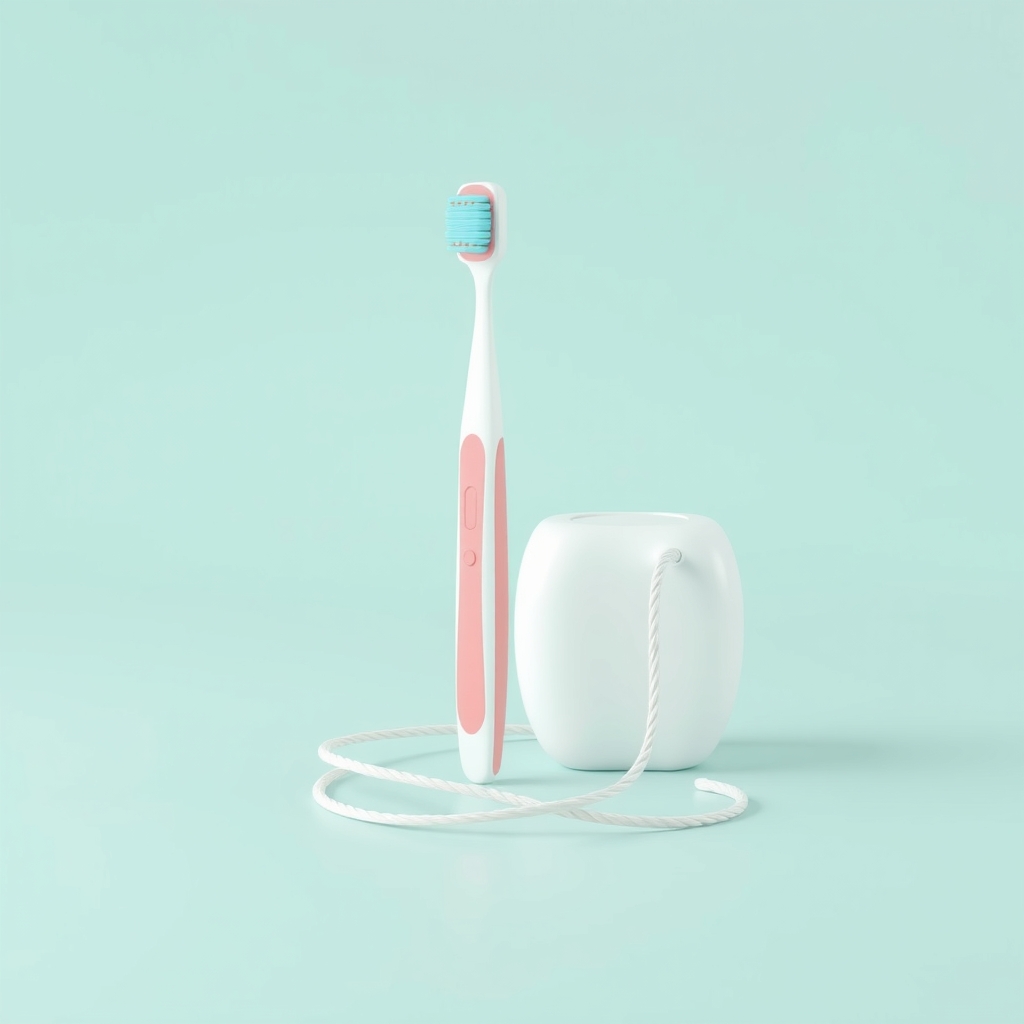
- Take about 45 cm of floss and wind most of it around your middle fingers, leaving a few centimetres to work with.
- Gently guide the floss between two teeth using a slight back-and-forth motion. Do not snap it into the gum.
- Curve the floss into a C-shape against one tooth and slide it up and down below the gumline.
- Repeat on the neighbouring tooth, then move to a clean section of floss for the next gap.
- Floss once daily, preferably at night.
If traditional floss feels difficult to manage, interdental brushes or water flossers are a reasonable alternative, though they work slightly differently and are not always suited to every gap size.
Step 3: Cleaning the Tongue
The tongue harbours bacteria that contribute significantly to bad breath and can affect overall mouth cleanliness. A quick tongue clean takes only a few seconds but is often skipped.
- Use a tongue scraper or the back of your toothbrush.
- Start from the back of the tongue and gently pull forward.
- Rinse the scraper between strokes and repeat two or three times.
- Avoid pressing too hard, as this can irritate the tongue's surface.
Step 4: Using Mouthwash Wisely
Mouthwash can add an extra layer of protection but should not replace brushing and flossing. There are different types suited to different needs.
| Type of Mouthwash | Main Benefit |
|---|---|
| Fluoride mouthwash | Strengthens enamel and helps prevent cavities |
| Antiseptic mouthwash | Reduces bacteria and helps with gum health |
| Alcohol-free mouthwash | Gentler option for sensitive mouths or dry mouth |
Swish for about 30 seconds after brushing and flossing, and avoid eating or drinking for at least 20 to 30 minutes afterward for the best effect.
Putting It All Together
A simple daily sequence that works well for most people is: floss, brush, clean the tongue, and finish with mouthwash. Doing this morning and night, along with regular dental check-ups, gives your teeth and gums the consistent care they need.
Patients in Sector 31, Gurugram, often ask us how their home routine compares to what a professional cleaning can achieve. While good daily habits prevent a lot of problems, they cannot remove hardened tartar or catch issues hidden below the gumline. That is why routine dental visits remain an important part of overall oral health, working alongside your at-home care rather than replacing it.
Common Mistakes to Avoid
- Brushing immediately after acidic food or drinks, which can wear down softened enamel.
- Using a hard-bristled brush thinking it cleans better.
- Rinsing with water right after brushing, which washes away the fluoride benefit.
- Skipping flossing on days when teeth do not feel like there is food stuck in them.
Small adjustments to these habits can make a noticeable difference in gum health and cavity prevention over time.
Have questions about your teeth?
The Tooth Atelier · Basement, C-3, Shrimati Santhosh Yadav Rd, Sector 31, Gurugram
Frequently asked questions
How long should I brush my teeth?
Brush for a full two minutes, twice a day. Most people stop after 45 seconds, which is not enough time to clean all surfaces properly.
Should I floss before or after brushing?
Flossing before brushing is generally better because it loosens food particles and plaque, which the toothbrush can then clean away more effectively.
Is mouthwash a replacement for brushing and flossing?
No. Mouthwash is a helpful addition but cannot remove plaque stuck between teeth or along the gumline the way brushing and flossing do.
How often should I replace my toothbrush?
Replace your toothbrush or electric brush head every three months, or sooner if the bristles look frayed or spread out.
Treatment costs mentioned on this page are indicative ranges for the Sector 31, Gurugram region. Your exact cost depends on your case and will be confirmed after a clinical examination at the clinic.