What to Eat After Dental Procedures: A First Week Recovery Diet Guide
Whether you have just had a tooth removed, a dental implant placed, or a root canal completed, what you eat in the days that follow plays a real role in how comfortably and quickly you heal. Many patients at our Sector 31, Gurugram clinic ask us the same question after treatment: "What can I actually eat tonight?" This guide walks through practical, medically sound choices for the first week.
Why diet matters after dental work
After procedures like extractions or implant surgery, your gums and jawbone need time to settle and begin healing without being disturbed by chewing pressure, sharp food edges, or irritating temperatures. After a root canal, the tooth itself may feel tender for a few days even though the infection has been treated. Choosing softer, cooler, and gentler foods reduces strain on the area and lowers the risk of pain, bleeding, or delayed healing.
Day 1 to 2: Keep it soft and cool
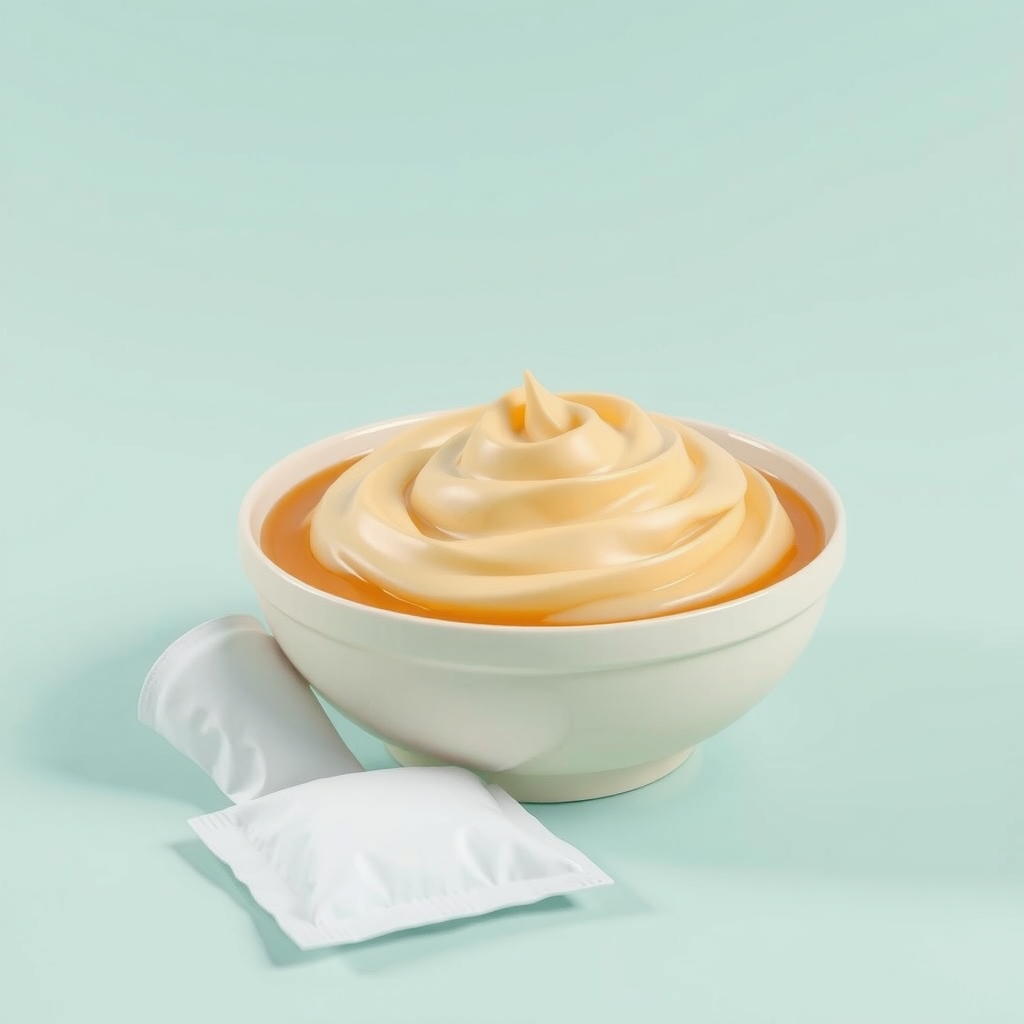
Right after surgery, especially extractions and implants, your mouth needs the gentlest foods possible.
- Cold or room-temperature liquids like water, coconut water, and buttermilk
- Smoothies without seeds (avoid using a straw)
- Plain yoghurt or curd
- Mashed banana or well-mashed potato
- Cool soups, such as light dal or vegetable soup once it has cooled down
- Ice cream or kulfi in moderation, without nuts or crunchy bits, can soothe swelling
Avoid using a straw for at least the first 48 hours after an extraction, as suction can dislodge the healing blood clot and lead to a painful condition called dry socket.
Day 3 to 5: Soft, warm, nourishing foods
As initial tenderness eases, you can introduce slightly more texture while keeping things gentle on the treated area.
- Khichdi or soft rice with dal
- Mashed vegetables like aloo, lauki, or pumpkin
- Scrambled eggs or soft paneer
- Oatmeal or dalia (porridge)
- Soft idli or dhokla without chutney that has seeds or chilli
- Warm, not hot, soups and stews
Try to chew on the side away from the treated tooth, and keep meals lukewarm rather than hot during this phase.
Day 6 to 7: Gradually widen your choices
By the end of the first week, most patients feel noticeably better and can begin reintroducing more regular foods, though it is wise to still avoid anything very hard, crunchy, or sticky near the treated area.
- Soft rotis soaked in curry or dal
- Well-cooked vegetables and soft fruits like papaya or ripe mango
- Soft fish or minced meat preparations
- Continue avoiding nuts, chips, hard crusts, and chewy sweets for a bit longer if you had an extraction or implant
Foods and habits to avoid during recovery
- Spicy and acidic foods: Chilli, citrus, and vinegar-based dishes can irritate healing tissue.
- Hard or crunchy foods: Nuts, toast, fried snacks, and raw salad can injure the surgical site or dislodge a blood clot.
- Sticky or chewy foods: Caramel, chikki, and chewing gum can pull on stitches or implant sites.
- Very hot foods and drinks: Heat can increase bleeding and discomfort in the first day or two.
- Alcohol and smoking: Both slow healing and increase the risk of complications like infection or dry socket.
- Carbonated drinks: The fizz and acidity can irritate the surgical area.
A quick reference table
| Procedure | Soft diet duration (typical) | Key precaution |
|---|---|---|
| Simple extraction | 3 to 5 days | No straws or spitting forcefully for 48 hours |
| Surgical extraction or wisdom tooth | 5 to 7 days | Avoid chewing on that side for a week |
| Dental implant | 7 to 10 days | Avoid pressure on the implant site while it heals |
| Root canal | 2 to 3 days, until the tooth feels normal | Avoid hard chewing until a permanent filling or crown is placed |
General tips for a smoother recovery
- Eat small, frequent meals rather than large ones if chewing feels tiring
- Stay hydrated, as fluids help your body heal and prevent dry mouth
- Rinse gently with warm salt water after 24 hours, as advised by your dentist, rather than vigorous mouthwash swishing
- Take any prescribed medication with food as directed to avoid stomach upset
Every patient heals at a slightly different pace, so these timelines are general guidance rather than strict rules. If you experience increasing pain, swelling, fever, or difficulty eating beyond a few days, it is best to get it checked promptly rather than wait it out.
Have questions about your teeth?
The Tooth Atelier · Basement, C-3, Shrimati Santhosh Yadav Rd, Sector 31, Gurugram
Frequently asked questions
When can I eat normally after a tooth extraction?
Most people can slowly return to a normal diet within 7 to 10 days, once the socket feels comfortable and any swelling has settled. Always go by how your mouth feels rather than a fixed date.
Can I drink tea or coffee after a dental procedure?
Lukewarm tea or coffee is usually fine after the first 24 hours, but avoid very hot drinks initially and never use a straw, as suction can disturb healing tissue or a blood clot.
Is it normal to lose weight during recovery week?
A small, temporary dip in appetite and intake is common and not usually a concern. If you cannot manage any food for more than a day or two, call your dentist.
What foods should I avoid after a root canal?
Avoid chewing hard or sticky foods on the treated tooth until your dentist confirms it has a permanent filling or crown, since the tooth can be more fragile in the interim.
Treatment costs mentioned on this page are indicative ranges for the Sector 31, Gurugram region. Your exact cost depends on your case and will be confirmed after a clinical examination at the clinic.