Why Gums Pull Back From Teeth and How to Treat It
If your teeth look longer than they used to, or if hot and cold foods suddenly make you wince, you may be noticing the early signs of gum recession. This is a common concern we see in patients across Sector 31, Gurugram, and it is worth understanding why it happens and what can be done about it.
What Causes Gums to Pull Back From Teeth
Gum recession happens when the tissue surrounding your teeth wears away or pulls back, exposing more of the tooth and sometimes the root underneath. This does not happen overnight. It usually develops gradually over months or years.
- Gum disease: Plaque and tartar buildup can cause chronic inflammation that slowly destroys gum tissue and the bone that supports your teeth.
- Aggressive brushing: Brushing too hard or using a stiff-bristled brush can wear away gum tissue over time.
- Teeth grinding or clenching: Excess force on teeth can contribute to gum and bone loss around them.
- Genetics: Some people are simply born with thinner gum tissue that is more prone to recession.
- Misaligned teeth or past orthodontic movement: Teeth that sit outside the normal bone contour are more likely to show gum recession.
- Tobacco use: Smoking and chewing tobacco reduce blood flow to the gums, slowing healing and increasing risk.
- Piercings or trauma: Lip or tongue jewellery that rubs against the gums can cause localized recession.
Why Exposed Tooth Roots Are a Concern
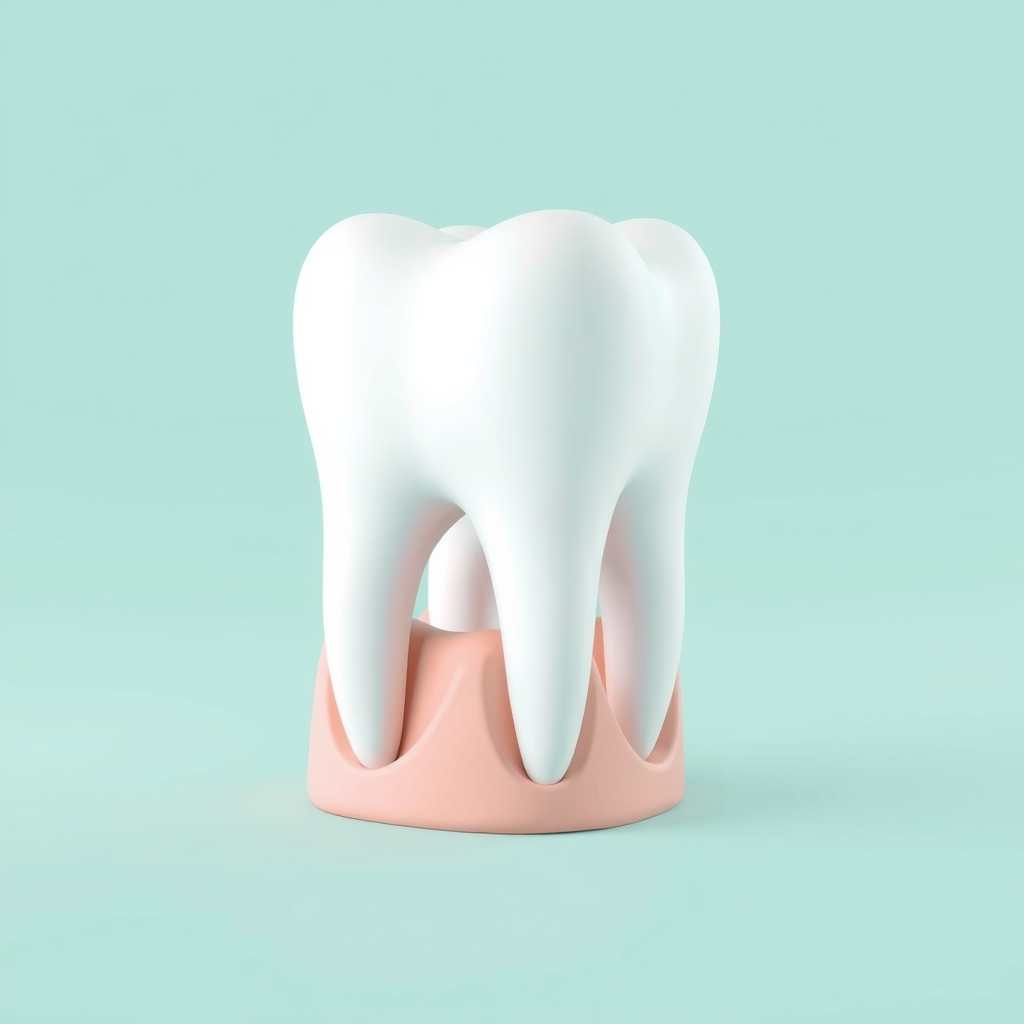
Once the root surface is exposed, it is no longer protected by enamel, which makes it more vulnerable in several ways.
- Sensitivity: Roots contain tiny channels that connect to nerve endings, so exposed roots often react sharply to hot, cold, or sweet foods.
- Root decay: Root surfaces are softer than enamel and more prone to cavities.
- Further gum and bone loss: Left untreated, recession tends to progress, sometimes leading to loose teeth.
- Cosmetic changes: Teeth can appear uneven in length, and a "long tooth" look can affect confidence in your smile.
Because recession does not reverse on its own, getting it evaluated early helps prevent more extensive treatment later.
Treatment Options for Receding Gums
The right approach depends on how far the recession has progressed and what is causing it. Our team at The Tooth Atelier assesses each case individually before recommending a plan.
Deep Cleaning (Scaling and Root Planing)
For recession linked to gum disease, a deep cleaning removes plaque and tartar from below the gumline and smooths the root surface. This helps gums reattach more firmly and reduces inflammation, often stopping further recession in its early stages.
Desensitizing Treatments
If sensitivity is the main issue, desensitizing agents or fluoride varnishes applied in-clinic, along with a change in toothpaste, can reduce discomfort without surgery.
Correcting Habits and Bite Issues
If a hard toothbrush or aggressive brushing technique is the cause, we guide patients on softer brushes and gentler techniques. For teeth grinding, a night guard may be recommended to reduce ongoing pressure on the gums.
Gum Graft Surgery
When recession is more advanced or a tooth root is significantly exposed, a gum graft may be needed. This involves taking a small piece of tissue, often from the roof of the mouth or using a suitable graft material, and placing it over the exposed root to cover and protect it. This can reduce sensitivity, protect against decay, and improve the appearance of the gumline.
| Treatment | Best For | Typical Range (INR) |
|---|---|---|
| Deep cleaning | Early recession with gum disease | Rs. 2,500 to Rs. 6,000 |
| Desensitizing treatment | Mild sensitivity, no active disease | Rs. 500 to Rs. 2,000 per session |
| Gum graft surgery | Significant root exposure | Rs. 12,000 to Rs. 30,000 per site |
These figures are a typical range for Sector 31, Gurugram, and actual costs depend on the extent of treatment needed. A precise estimate can only be given after an in-person examination.
When to See a Dentist
If you notice your teeth looking longer, gums feeling tender, or sensitivity that does not go away, it is worth getting checked rather than waiting. Early evaluation at The Tooth Atelier in Sector 31 can help identify the cause and stop the problem before it progresses further.
Have questions about your teeth?
The Tooth Atelier · Basement, C-3, Shrimati Santhosh Yadav Rd, Sector 31, Gurugram
Frequently asked questions
Can receding gums grow back on their own?
No, gum tissue that has receded does not regenerate by itself. Treatment can stop further recession and, in some cases, a gum graft can rebuild lost tissue over exposed roots.
Is gum recession always caused by poor brushing?
Not always. While brushing too hard is a common cause, genetics, gum disease, teeth grinding, and even orthodontic history can also lead to receding gums.
How do I know if I need a gum graft or just a deep cleaning?
This depends on how much gum tissue is lost and whether active infection is present. A dental check-up at our Sector 31 clinic can determine which option suits your situation.
Does treating receding gums hurt?
Deep cleaning is usually done with local anesthesia and causes minimal discomfort. Gum graft surgery involves some soreness afterward, which is managed with prescribed care and medication.
Treatment costs mentioned on this page are indicative ranges for the Sector 31, Gurugram region. Your exact cost depends on your case and will be confirmed after a clinical examination at the clinic.