Retainers After Braces or Aligners: Types, Wear Schedule and Care Tips
Finishing braces or aligner treatment is a big milestone, but the work does not end when the brackets come off or the last aligner tray is done. Retainers are what keep your teeth in their new, straighter position. Skipping them or wearing them incorrectly is one of the most common reasons smiles slowly shift back over time. Here is what patients in Sector 31, Gurugram should know about retainer types, wear schedules and care.
Why Retainers Are Necessary After Orthodontic Treatment
After braces or aligners move your teeth, the bone and fibres around them need time to stabilise in the new position. Without a retainer, teeth tend to drift, especially in the first few months after treatment. Retainers hold teeth in place while this settling process happens, and continued part-time wear helps maintain results for years afterward.
Types of Retainers
Hawley Retainers
These are the classic wire-and-acrylic retainers. The acrylic part sits against the roof of the mouth or behind the lower teeth, with a metal wire holding the front teeth in place. They are durable, adjustable, and easy to clean, though some patients find them slightly more noticeable when speaking.
Clear (Essix-Type) Retainers
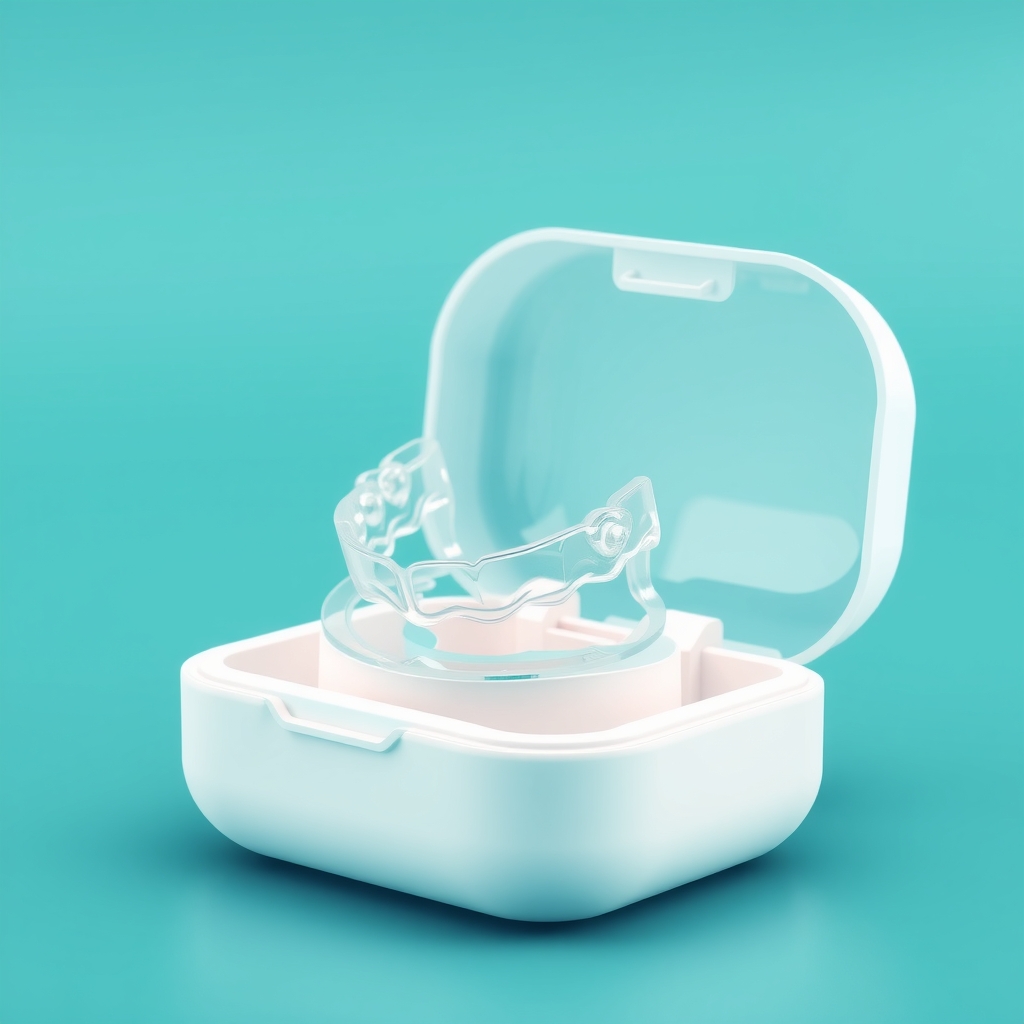
Made from a thin, transparent plastic similar to aligner trays, these fit snugly over the entire arch of teeth. They are nearly invisible and comfortable, but can be less durable than Hawley retainers and may need replacement more often if worn heavily or ground against at night.
Fixed (Bonded) Retainers
A thin wire is bonded to the back of the front teeth, usually the lower ones, and stays in place permanently unless removed by a dentist. These are useful for patients at higher risk of relapse, since there is no reliance on remembering to wear a removable device. They do require extra care when flossing.
| Retainer Type | Visibility | Typical Lifespan |
|---|---|---|
| Hawley | Noticeable wire | 3 to 5 years |
| Clear plastic | Nearly invisible | 1 to 2 years |
| Fixed/bonded | Hidden behind teeth | Several years, with checks |
How Long and How Often to Wear Retainers
Most dentists recommend a general pattern, though your dentist at The Tooth Atelier will tailor this to your specific case:
- First 3 to 6 months: Full-time wear, removing only to eat, drink, and brush.
- After the initial period: Gradual transition to night-only wear.
- Long term: Nightly wear is often recommended indefinitely, since teeth can shift at any age, even years after treatment.
Fixed retainers stay in place continuously and are checked at routine dental visits rather than being removed and reinserted.
Cleaning and Storage Tips
- Rinse removable retainers with water every time you take them out, before saliva and plaque dry on the surface.
- Brush gently with a soft toothbrush and plain water or a non-abrasive cleaner. Avoid toothpaste, as it can scratch clear plastic.
- Soak occasionally in a retainer-cleaning solution or diluted mouthwash as advised by your dentist, but avoid hot water, which can warp the shape.
- Always store retainers in their case when not in use. Loose retainers wrapped in tissue are easily thrown away by mistake or damaged.
- Keep fixed retainers clean by using floss threaders or interdental brushes to clear food debris from around the wire daily.
- Never leave retainers in direct sunlight, a hot car, or near pets, as heat and chewing can both cause damage.
Signs You Should See Your Dentist
If a removable retainer feels unusually tight, cracks, or no longer seats fully over the teeth, book a check-up rather than continuing to force it in. For fixed retainers, a wire that feels loose, pokes the tongue, or has come away from a tooth should be looked at promptly to avoid further shifting or discomfort.
Caring for your retainer is a simple daily habit that protects years of orthodontic progress. Patients near Sector 31, Gurugram can visit The Tooth Atelier for retainer checks, replacements, or repairs as part of routine dental care.
Have questions about your teeth?
The Tooth Atelier · Basement, C-3, Shrimati Santhosh Yadav Rd, Sector 31, Gurugram
Frequently asked questions
What happens if I stop wearing my retainer for a few weeks?
Teeth can start shifting within a few weeks of inconsistent wear. If your retainer feels tight or does not seat properly, visit your dentist before continuing to wear it, rather than forcing it.
Can I eat or drink with my retainer in?
Removable retainers should come out for eating and for drinks other than plain water, to avoid damage and staining. Fixed retainers do not need to be removed for meals, but food can get caught under the wire.
How long do retainers actually last?
Clear and Hawley retainers typically last two to five years with good care, while fixed retainers can last many years if the bonding stays intact. Regular dental check-ups help catch wear and tear early.
Do I need to wear a retainer forever?
Most dentists recommend long-term or indefinite wear, usually nightly, since teeth can shift at any age. Think of it as ongoing maintenance rather than a fixed treatment period.
Treatment costs mentioned on this page are indicative ranges for the Sector 31, Gurugram region. Your exact cost depends on your case and will be confirmed after a clinical examination at the clinic.