Root Canal vs Tooth Extraction: Which Option Is Right for You?
When a tooth is badly decayed, infected, or cracked, you are usually left with two paths forward: save it with root canal treatment or remove it with an extraction. Both are common, well established procedures, but the right choice depends on the condition of the tooth, your oral health goals, and your budget. This guide breaks down the pros, cons, and long-term outcomes of each so you can have an informed conversation with your dentist in Sector 31, Gurugram.
Understanding the Two Options
Root Canal Treatment
A root canal removes infected or inflamed tissue from inside the tooth, cleans the canals, and seals them. The tooth is then usually protected with a filling or a crown. The main goal is to keep your natural tooth functioning in your mouth.
Tooth Extraction
Extraction involves removing the entire tooth from its socket. It is often recommended when the tooth is too damaged to save, when there is severe bone loss around it, or when infection has spread beyond what root canal treatment can resolve.
Comparing Pros and Cons
| Factor | Root Canal | Extraction |
|---|---|---|
| Keeps natural tooth | Yes | No |
| Number of visits | Usually 1 to 2 | Usually 1 |
| Need for a crown | Often required | Not applicable |
| Need for replacement | Not needed | Often recommended later |
| Effect on neighbouring teeth | Minimal | May shift over time if gap is left unfilled |
| Recovery time | Mild soreness for a day or two | Few days of healing at the socket |
Long-Term Outcomes to Consider
Saving your natural tooth with a root canal generally preserves normal biting function and jawbone structure around that tooth. Most root canal treated teeth, when properly restored with a crown, continue to function well for many years.
Extraction removes the source of infection immediately, but it leaves a gap. Over time, this can lead to shifting of nearby teeth, changes in your bite, and gradual bone loss in the jaw at that site. This is why many dentists discuss replacement options such as a dental implant, bridge, or partial denture at the same time extraction is planned, so the gap does not sit empty for long.
When Root Canal Is Usually Preferred
- The tooth structure above the gum line is still largely intact
- There is enough healthy bone supporting the tooth
- The infection is confined to the tooth and has not caused extensive damage
When Extraction May Be the Better Choice
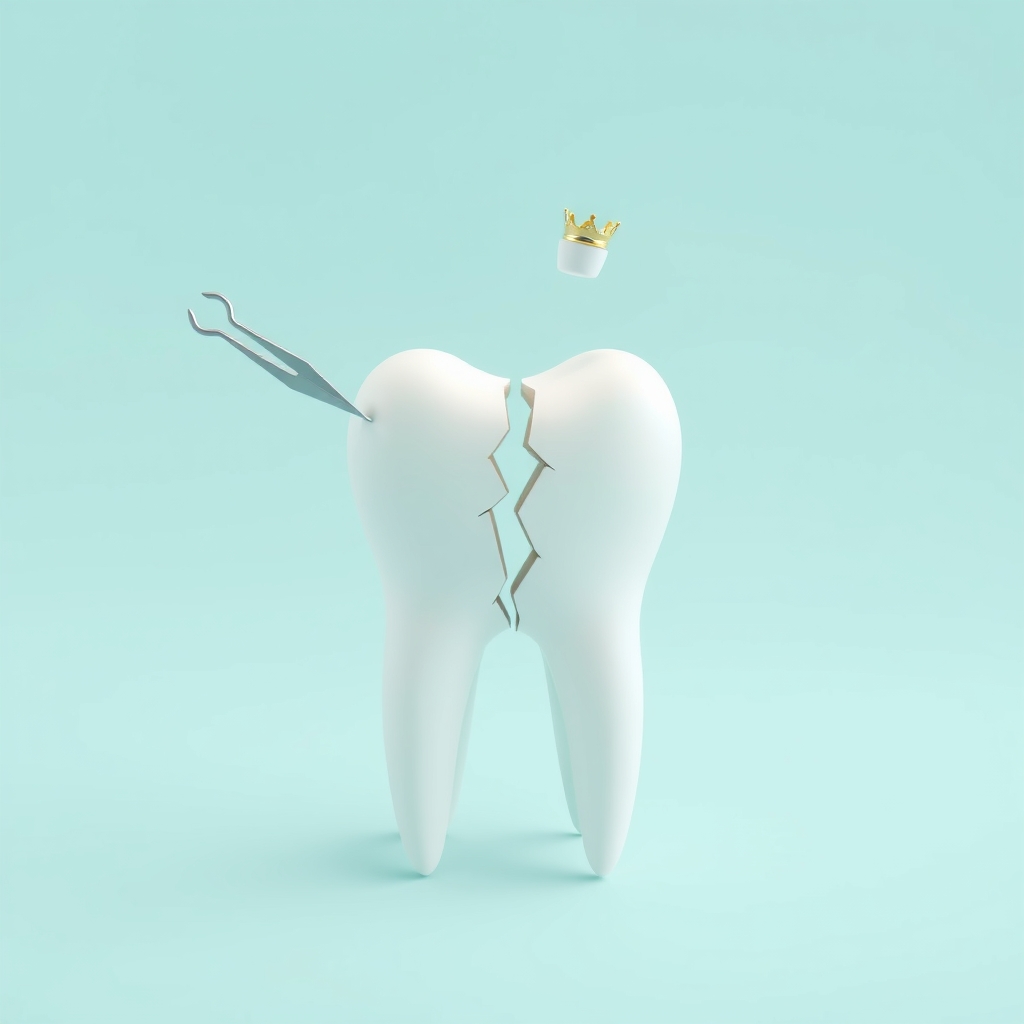
- The tooth is fractured below the gum line or vertically split
- There is advanced gum disease with significant bone loss around the tooth
- Repeated root canal attempts have not resolved the infection
Cost Considerations
Cost is often a deciding factor for patients in Sector 31, Gurugram. As a general guide, root canal treatment with a crown typically falls in a higher range than a simple extraction, because it usually involves more visits and a protective crown afterward. A simple extraction tends to have a lower upfront cost, but if you choose to replace the tooth later with an implant or bridge, the combined cost over time may be similar to or higher than root canal treatment. The typical range for either path varies based on the tooth involved, the complexity of the case, and the materials used, so a clinical examination is the only reliable way to get an accurate estimate for your situation.
Making the Right Decision for You
There is no single right answer for every patient. A dentist will usually consider an X-ray of the tooth, the extent of decay or infection, your overall oral health, and your long-term plans before recommending one option over the other. If you are uncertain, asking your dentist to walk through both outcomes, including what happens five or ten years down the line, can help you feel more confident in your decision.
Ultimately, saving a natural tooth is usually the first preference when it is a viable option, since nothing fully replicates the feel and function of your own tooth. But when a tooth cannot be reliably saved, a well planned extraction followed by timely replacement can also lead to a healthy, functional smile.
Have questions about your teeth?
The Tooth Atelier · Basement, C-3, Shrimati Santhosh Yadav Rd, Sector 31, Gurugram
Frequently asked questions
Is a root canal more painful than an extraction?
Both procedures are done under local anaesthesia, so pain during treatment is minimal for either option. Recovery discomfort after a root canal is usually mild, while extraction sites can feel sore for a few days as the socket heals.
Can every damaged tooth be saved with a root canal?
Not always. If the tooth has a deep crack extending below the gum line, severe bone loss, or very little healthy structure left, extraction may be the safer and more predictable choice.
What happens if I extract a tooth and do not replace it?
Neighbouring teeth can shift, the opposite tooth may over-erupt, and jawbone at the site gradually reduces. This is why dentists usually discuss replacement options like implants or bridges at the time of extraction.
How long does a root canal treated tooth usually last?
With a proper crown and good oral hygiene, root canal treated teeth often last many years, sometimes a lifetime, though regular dental check ups help catch any issues early.
Treatment costs mentioned on this page are indicative ranges for the Sector 31, Gurugram region. Your exact cost depends on your case and will be confirmed after a clinical examination at the clinic.