Snoring, Sleep Apnea and Your Oral Health: What a Dentist Can Spot
Many people think of snoring as a nighttime nuisance rather than a health concern, but it can be an early sign of a sleep-breathing problem that also affects your teeth, gums and jaw. At The Tooth Atelier in Sector 31, Gurugram, we often notice clues of sleep-related breathing issues during routine dental checkups, sometimes before patients realise anything is wrong.
How Oral Health and Sleep Apnea Are Connected
Obstructive sleep apnea happens when the muscles at the back of the throat relax too much during sleep, partially or fully blocking the airway. This often causes loud snoring, gasping, or pauses in breathing. The mouth and jaw play a direct role in this process, since the position of your tongue, jaw size, and airway shape all influence how easily air flows while you sleep.
People with a smaller lower jaw, a large tongue, or a narrow palate are more prone to airway obstruction. Chronic mouth breathing, which often goes hand in hand with snoring, can also dry out the mouth and increase the risk of cavities, gum disease and bad breath over time.
Warning Signs a Dentist May Notice
During a routine exam, a dentist is often the first healthcare provider to spot physical signs linked to disrupted sleep and airway issues. These include:
- Worn down or flattened teeth from nighttime grinding (bruxism)
- A scalloped tongue, with visible teeth marks along its edges
- A small or recessed lower jaw
- A narrow, high arched palate
- Redness or inflammation at the back of the throat
- Dry mouth, cracked lips, or frequent morning headaches reported by the patient
None of these signs confirm sleep apnea on their own, but together they can suggest it is worth discussing your sleep quality with your dentist or getting a formal sleep study done.
Why Dentists Often Notice It First
Many patients do not connect snoring or daytime tiredness with their oral health, so they may not mention it during a dental visit. However, because dentists examine the mouth, jaw and throat closely at every checkup, subtle signs of airway narrowing or nighttime grinding are often caught early, even before a patient has sought help for sleep issues.
How Custom Oral Appliances Help
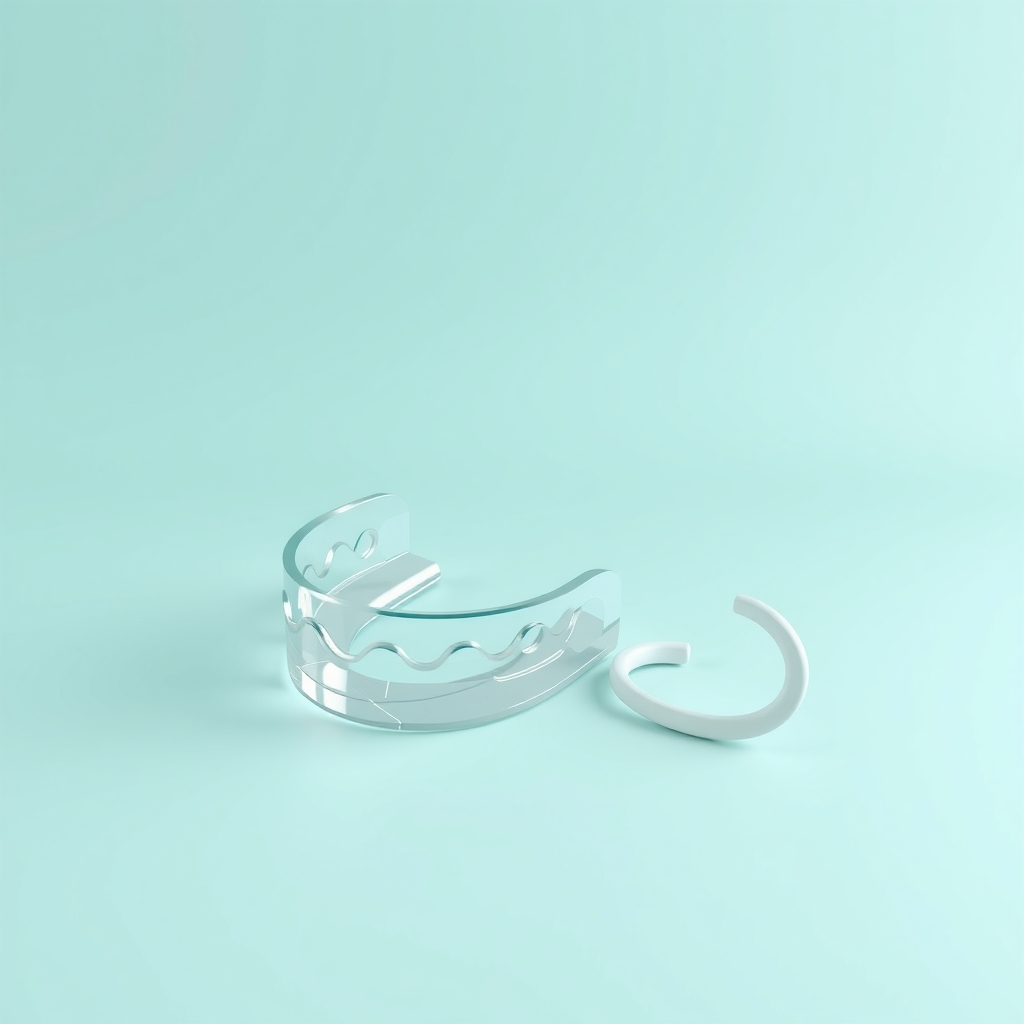
For patients diagnosed with mild to moderate obstructive sleep apnea, a custom made oral appliance can be a practical, comfortable alternative to CPAP (continuous positive airway pressure) machines. These devices are worn only at night and work by gently repositioning the lower jaw or tongue to keep the airway open.
Unlike generic over the counter devices, a dentist fitted appliance is custom moulded to your teeth and bite, which improves both comfort and effectiveness. It is adjusted gradually over several visits to find the right jaw position without causing strain.
Who Is a Good Candidate?
Oral appliance therapy is generally considered suitable for:
- Patients with mild to moderate sleep apnea confirmed by a sleep study
- Those who find CPAP uncomfortable or difficult to use consistently
- People who snore heavily but have been found to not have severe apnea
- Patients with enough healthy teeth and gum support to hold the appliance securely
Severe sleep apnea usually still requires CPAP therapy, sometimes combined with an oral appliance, so a proper diagnosis from a sleep physician is an important first step.
What the Treatment Process Looks Like
- Dental and airway examination to check teeth, jaw alignment and signs of grinding
- Referral for a sleep study if apnea is suspected but not yet diagnosed
- Custom impressions and bite measurements for the appliance
- Fitting and gradual adjustment over a few follow up visits
- Periodic reviews to check comfort, effectiveness and jaw health
Typical Costs
Custom oral appliances for snoring and sleep apnea in Sector 31, Gurugram typically range from around 15,000 INR to 45,000 INR, depending on the type of device and the number of adjustment visits needed. This is a typical range only, and your dentist will confirm actual costs after an examination.
| Sign Noticed | Possible Connection |
|---|---|
| Flattened or chipped teeth | Nighttime grinding linked to disrupted sleep |
| Scalloped tongue edges | Tongue pressing against teeth during airway blockage |
| Small lower jaw | Narrower airway space, higher apnea risk |
| Dry mouth, cracked lips | Chronic mouth breathing during sleep |
If you snore regularly, wake up tired, or have been told your breathing pauses at night, it is worth mentioning this at your next dental visit. A simple oral exam can be the starting point for understanding whether your sleep and your oral health are connected, and whether a custom appliance could help.
Have questions about your teeth?
The Tooth Atelier · Basement, C-3, Shrimati Santhosh Yadav Rd, Sector 31, Gurugram
Frequently asked questions
Can a dentist really tell if I have sleep apnea?
A dentist cannot diagnose sleep apnea, but they can spot warning signs in your mouth and jaw that suggest you may be at risk. A proper diagnosis requires a sleep study, which your dentist or physician can help arrange.
Are oral appliances as effective as CPAP?
For mild to moderate obstructive sleep apnea, oral appliances can be an effective alternative, especially for patients who cannot tolerate CPAP. For severe cases, CPAP usually remains the first recommendation, sometimes alongside an appliance.
How long does it take to get used to a sleep apnea mouthguard?
Most patients need one to three weeks to adjust. Mild jaw soreness or increased saliva in the first few nights is common and usually settles as the mouth adapts.
Will my appliance need adjustments over time?
Yes. Oral appliances usually need periodic review and reshaping as your bite settles or if snoring symptoms change, so regular dental follow ups are part of the treatment.
Treatment costs mentioned on this page are indicative ranges for the Sector 31, Gurugram region. Your exact cost depends on your case and will be confirmed after a clinical examination at the clinic.