Teething in Infants: Signs, Timeline and Safe Home Remedies
Watching your baby go through teething can be a confusing time for many parents in Sector 31, Gurugram. The fussiness, drooling and sleepless nights are common, but knowing what is normal and what needs attention makes the process easier for both baby and parents. This guide explains the signs, the usual timeline, and simple home remedies that are safe to try.
Common Signs of Teething
Every baby experiences teething a little differently, but certain signs tend to appear in most infants. These usually begin a few days before a tooth actually breaks through the gum.
- Increased drooling
- Swollen, tender or red gums
- Irritability or fussiness, especially in the evening
- Chewing or biting on fingers, toys, or anything within reach
- Mild disturbance in sleep
- Slight reduction in appetite
- A small rise in body temperature, though not a high fever
If your baby has a high fever, persistent vomiting, loose motions, or seems unusually unwell, these are not typical teething symptoms. It is best to consult your pediatrician to rule out other causes.
Timeline of First Tooth Eruption
There is no fixed rule for when teething starts, but most babies get their first tooth somewhere between 6 and 10 months of age. A general pattern follows, although your child may vary slightly from this.
| Tooth Type | Usual Age of Eruption |
|---|---|
| Lower central incisors (bottom front) | 6 to 10 months |
| Upper central incisors (top front) | 8 to 12 months |
| Upper lateral incisors | 9 to 13 months |
| Lower lateral incisors | 10 to 16 months |
| First molars | 13 to 19 months |
| Canines | 16 to 23 months |
| Second molars | 23 to 33 months |
By around 3 years of age, most children have all 20 primary teeth. If your baby has not shown any signs of a tooth by 12 to 13 months, it is worth mentioning this at a pediatric or dental check up rather than waiting it out on your own.
Safe Home Remedies to Soothe Discomfort
There are several gentle, low-risk ways to help ease teething discomfort at home.
Cold relief
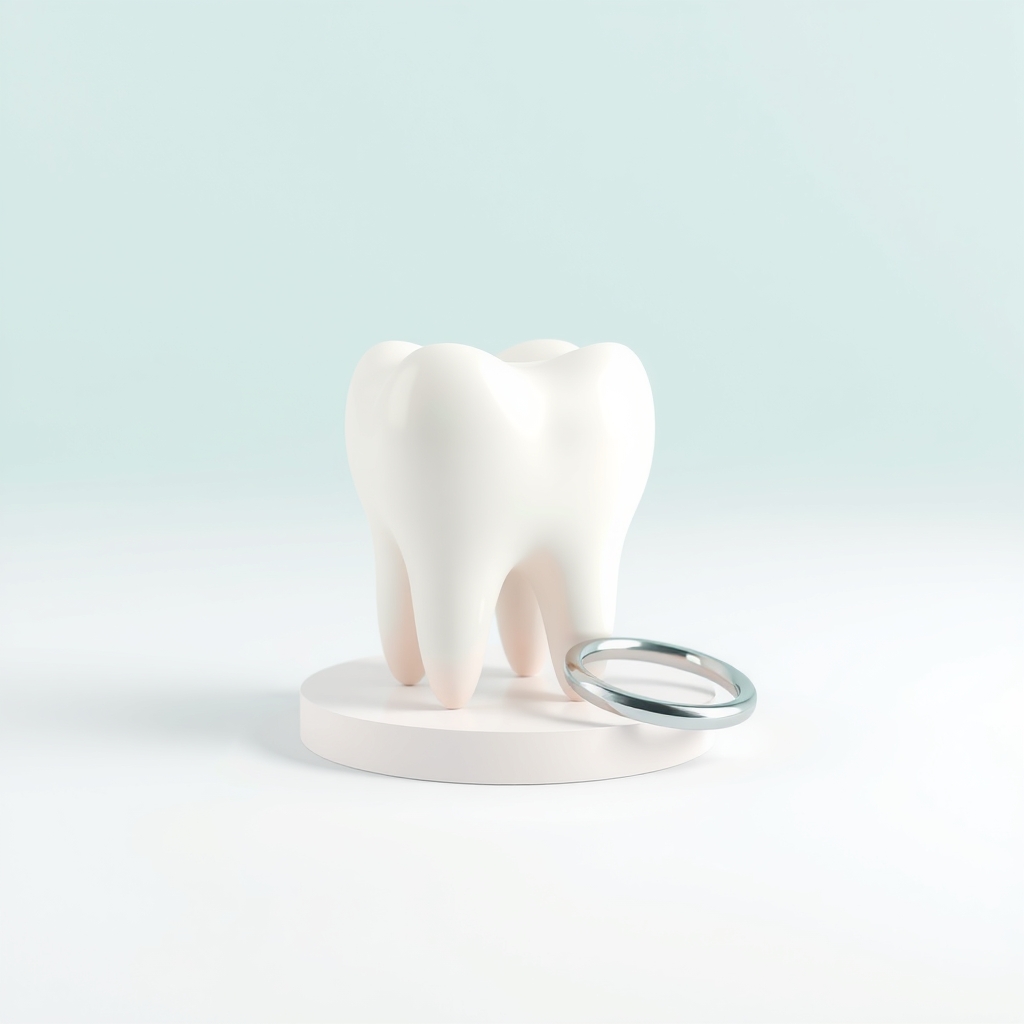
- A clean, chilled (not frozen) teething ring can help numb sore gums
- A cold, damp washcloth for baby to chew on is a simple and effective option
- For babies over 6 months who have started solids, chilled (not frozen) fruit in a mesh feeder can offer relief
Gentle massage
Washing your hands and gently rubbing your baby's gums with a clean finger can offer temporary relief from pressure and soreness.
Comfort and distraction
- Extra cuddles and a calm environment can help an irritable baby settle
- Keeping a consistent bedtime routine can reduce the impact of disrupted sleep
- Wiping drool frequently and applying a mild barrier cream can prevent skin irritation around the mouth and chin
What to avoid
Avoid teething necklaces, as they carry choking and strangulation risks. Avoid rubbing alcohol, aspirin, or home remedies involving honey, especially before the age of one. Be cautious with over-the-counter teething gels, as some contain ingredients not recommended for infants. Always check with your pediatrician before giving any medication for teething pain.
Caring for the First Teeth
As soon as the first tooth appears, it is time to start simple oral care. Wipe the tooth with a clean, damp, soft cloth or use a small, soft infant toothbrush with a grain-sized amount of fluoride toothpaste if your pediatric dentist recommends it. Avoid putting your baby to sleep with a bottle of milk or juice, as this can lead to early decay.
At The Tooth Atelier in Sector 31, Gurugram, our team can guide you through this early stage of your child's dental development, answer questions about teething, and check that growth is progressing well. Regular check ins during infancy help build good oral habits that last a lifetime.
Have questions about your teeth?
The Tooth Atelier · Basement, C-3, Shrimati Santhosh Yadav Rd, Sector 31, Gurugram
Frequently asked questions
At what age do babies usually start teething?
Most babies get their first tooth between 6 and 10 months, though some start as early as 3 months or as late as 12 months. Each baby follows their own timeline.
Can teething cause fever or diarrhoea?
Teething may cause a mild rise in temperature and slightly looser stools in some babies, but high fever or persistent diarrhoea is usually caused by something else and needs a doctor's check.
Is it safe to use teething gels?
Many over-the-counter teething gels are not recommended for infants due to safety concerns. Always check with your pediatrician or dentist before using any gel or medication.
When should I bring my baby for their first dental visit in Sector 31?
It is a good idea to schedule a first visit around the time the first tooth appears, or by the first birthday, so our team at The Tooth Atelier can check growth and guide you on care.
Treatment costs mentioned on this page are indicative ranges for the Sector 31, Gurugram region. Your exact cost depends on your case and will be confirmed after a clinical examination at the clinic.