Why Teeth Turn Yellow, Gray, or Stained: Causes and Treatments
If you have noticed your smile looking duller, yellower, or even grayish over the years, you are not alone. Tooth discoloration is one of the most common concerns we hear from patients visiting us in Sector 31, Gurugram. The good news is that not all stains are the same, and understanding what is causing yours makes it much easier to choose the right fix instead of wasting time and money on the wrong one.
Why Teeth Change Color Over Time
Teeth are not pure white by nature. They sit somewhere between light yellow and grayish white depending on genetics, and this natural shade tends to deepen with age. But several other factors speed up the process or change the type of discoloration you see.
Surface Stains from Food, Drinks, and Habits
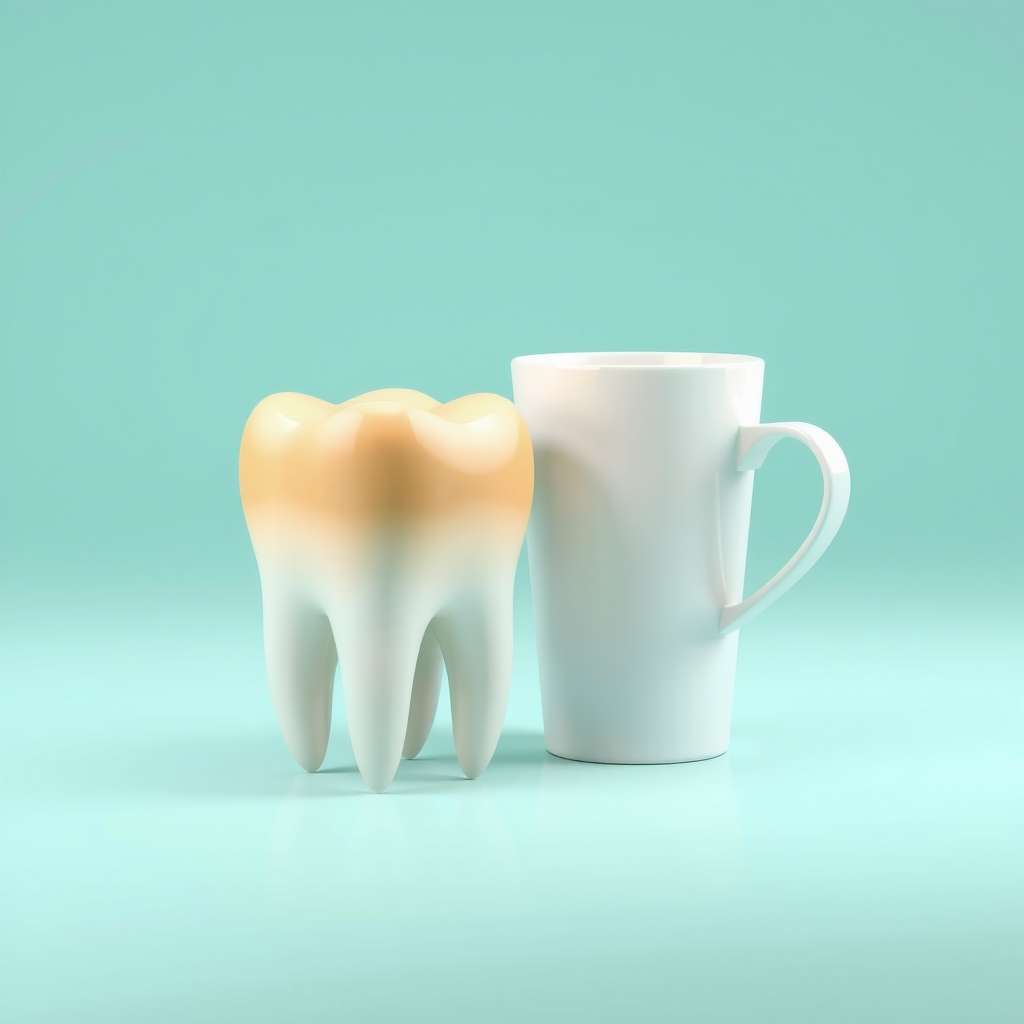
The outer layer of your tooth, called enamel, has tiny pores that absorb pigments from what you eat and drink. Common culprits include:
- Tea, coffee, and red wine
- Turmeric-rich curries and dark sauces
- Tobacco and paan, which cause stubborn brown or black staining
- Poor brushing habits that allow plaque and tartar to build up and discolor over time
These are called extrinsic stains because they sit on the tooth surface rather than inside it.
Aging and Natural Wear
As enamel thins with age, the yellowish dentin layer underneath becomes more visible through it. This is a normal part of aging and is one reason many people notice their teeth looking yellower in their 40s and beyond, even with good oral care.
Medications and Childhood Exposure
Certain antibiotics, particularly tetracycline taken during childhood when teeth were still developing, can cause gray or brownish banding inside the tooth structure. Excess fluoride exposure during childhood can also cause white or brown mottled patches known as fluorosis. These are intrinsic stains, meaning they originate inside the tooth rather than on its surface.
Trauma and Nerve Damage
A tooth that has suffered an injury, even years ago, can slowly turn gray or dark as the internal nerve tissue breaks down. This usually affects a single tooth rather than the whole smile and is a sign worth getting checked, since it often means the tooth's nerve has died.
Matching the Treatment to the Cause
Because discoloration has different causes, the right treatment depends on where the stain is coming from.
| Type of Discoloration | Likely Cause | Common Treatment Options |
|---|---|---|
| Surface yellow or brown stains | Food, drinks, tobacco, plaque buildup | Professional cleaning, in-chair or take-home whitening |
| General yellowing with age | Thinning enamel exposing dentin | Whitening, bonding, or veneers for deeper cases |
| Gray or brown banding | Childhood antibiotic use or fluorosis | Whitening may help mildly; veneers or bonding for stubborn cases |
| Single dark or gray tooth | Past trauma, nerve damage | Root canal treatment first, then internal whitening or a crown |
Professional Cleaning: The First Step
Before considering whitening, a thorough professional cleaning is often the simplest and most affordable step. It removes plaque and tartar that trap stains, and many patients are surprised at how much brighter their teeth look afterward without any whitening agents at all.
Whitening Treatments
For surface and general yellowing, whitening is usually effective. Options include in-clinic sessions using a controlled whitening gel, or custom trays for gradual whitening at home under guidance. Whitening works best on healthy teeth without untreated decay or gum issues, which is why a check-up beforehand is important.
As a typical range in Sector 31, Gurugram, professional whitening costs vary based on the method chosen and the number of sessions needed. We can give you an accurate estimate after an in-person evaluation.
Veneers and Bonding for Deeper Stains
When discoloration is intrinsic, such as fluorosis or old antibiotic staining, whitening alone may not fully resolve it. In these cases, dental bonding or porcelain veneers can mask the discoloration by covering the front surface of the tooth with a tooth-colored material or thin shell.
Treating a Single Dark Tooth
If only one tooth has darkened due to trauma, the usual first step is checking whether the nerve is still alive. If the nerve has died, root canal treatment is typically needed before the color can be properly addressed, either through internal whitening or a crown that matches your other teeth.
When to See a Dentist
If your discoloration is sudden, affects only one tooth, or is accompanied by pain or sensitivity, it is best to get it examined rather than trying over-the-counter whitening products. A proper diagnosis helps avoid masking a deeper problem and ensures you choose a treatment that actually works for your specific type of staining.
Have questions about your teeth?
The Tooth Atelier · Basement, C-3, Shrimati Santhosh Yadav Rd, Sector 31, Gurugram
Frequently asked questions
Can yellow teeth become white again naturally?
Mild surface staining can often be improved with better brushing, tartar removal, and avoiding staining foods, but true whitening of the tooth shade usually needs a professional whitening treatment.
Is teeth whitening safe for everyone?
Whitening is generally safe for healthy adult teeth, but it is not recommended during pregnancy, for children, or for people with untreated cavities or gum disease. A dental check-up first helps avoid sensitivity or uneven results.
Why do my teeth look gray instead of yellow?
Gray or bluish tones are often linked to internal causes such as an old trauma, a dead tooth nerve, or certain medications taken during childhood, and these usually need treatments beyond regular whitening.
How long does professional whitening last?
Results commonly last from several months to a couple of years depending on your diet, oral hygiene, and habits like smoking or drinking tea and coffee. Touch-up sessions help maintain the shade.
Treatment costs mentioned on this page are indicative ranges for the Sector 31, Gurugram region. Your exact cost depends on your case and will be confirmed after a clinical examination at the clinic.