Does Charcoal Toothpaste Actually Whiten Teeth or Harm Enamel?
Charcoal toothpaste has been trending for a few years now, promising a brighter smile with a quick switch of product. If you live in Sector 31, Gurugram and have seen this black paste on shelves or social media, you may be wondering if it actually works, or if it does more harm than good. Here is an honest, evidence-based look.
What Is Charcoal Toothpaste Supposed to Do?
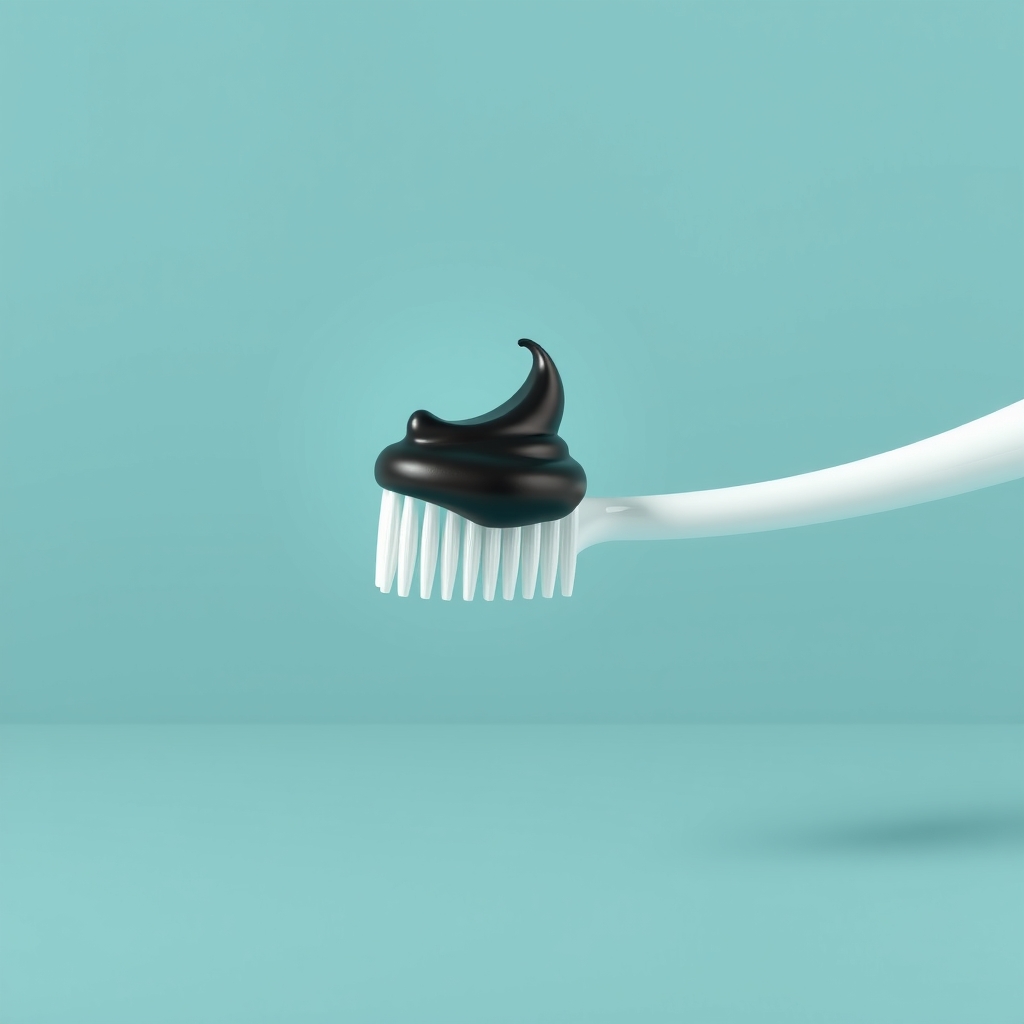
Charcoal toothpaste contains activated charcoal, a fine black powder made by heating materials like coconut shells or wood at very high temperatures. The idea is that its porous texture binds to surface stains and lifts them away while brushing, giving teeth a visibly whiter appearance over time.
Does the Science Support the Claims?
Most of the whitening effect from charcoal toothpaste comes from simple abrasion, not any special chemical action. The charcoal particles scrub away surface stains caused by tea, coffee, red wine, or smoking. This is similar to how any mildly abrasive toothpaste works.
Several dental research reviews have found that:
- Charcoal toothpastes show little to no proven ability to lighten the natural colour of teeth beneath the surface
- Most charcoal products have not been tested in long-term clinical studies for safety or effectiveness
- Many charcoal toothpastes lack fluoride, which is important for cavity protection
In short, charcoal may help remove some surface stains, but it does not change the actual shade of your enamel or dentine the way professional whitening treatments can.
Can Charcoal Toothpaste Harm Your Enamel?
This is the bigger concern for dentists. Enamel is the hard outer layer protecting your teeth, and once it wears away, it does not grow back. Charcoal particles are often more abrasive than standard toothpaste ingredients. With regular, long-term use, this abrasiveness can:
- Gradually wear down enamel, making teeth look more yellow as the dentine underneath shows through
- Increase sensitivity to hot, cold, or sweet foods
- Damage existing dental work such as crowns, veneers, or fillings if brushed too hard
The risk depends on how fine or coarse the charcoal particles are, how often you use the paste, and your brushing pressure. Occasional use is less risky than daily use over many months.
Other Points Worth Knowing
- Lack of fluoride: Many charcoal toothpastes skip fluoride, which is the main ingredient proven to prevent cavities and strengthen enamel.
- Staining of gums and grout lines: Some patients notice charcoal residue in fillings, crowns, or along the gumline, which can be hard to clean fully.
- No regulation on abrasiveness: Not all charcoal toothpastes list their Relative Dentin Abrasivity (RDA) score, so it is hard to know how harsh a product really is before buying.
Who Should Avoid Charcoal Toothpaste?
Charcoal toothpaste is best avoided or used cautiously by people who:
- Already have sensitive teeth or thin enamel
- Have crowns, veneers, bridges, or large fillings on front teeth
- Are prone to cavities and rely on fluoride toothpaste for protection
- Have gum recession, since abrasive pastes can worsen root sensitivity
Safer Ways to Get a Brighter Smile
If whiter teeth are your goal, there are more predictable and safer paths than charcoal:
- Use a fluoride toothpaste with a moderate, tested whitening formula for everyday surface stain control
- Get a professional dental cleaning to remove plaque and surface stains your toothbrush cannot reach
- Ask your dentist about in-chair or take-home whitening treatments, which use controlled bleaching agents under professional guidance
- Cut back on staining drinks like coffee, tea, and red wine, or rinse with water after consuming them
| Option | Typical Range (Sector 31, Gurugram) |
|---|---|
| Professional dental cleaning | Varies by clinic; typical range for scaling and polishing is modest and affordable |
| In-chair professional whitening | Typical range depends on the technique and number of sessions needed |
| Take-home whitening kits (dentist supervised) | Typical range depends on the custom tray and gel concentration used |
Exact costs depend on your tooth condition and the treatment chosen, so a consultation helps give you a realistic estimate rather than a guess.
The Bottom Line
Charcoal toothpaste is not necessarily dangerous if used occasionally and gently, but it is not a proven or reliable way to whiten teeth either. The mild stain removal it offers can usually be matched by a good fluoride toothpaste, while the abrasive risk to enamel makes frequent use questionable. Before adding it to your routine, it is worth getting your teeth checked to understand what is actually causing your discolouration and which treatment will genuinely help.
Have questions about your teeth?
The Tooth Atelier · Basement, C-3, Shrimati Santhosh Yadav Rd, Sector 31, Gurugram
Frequently asked questions
Can charcoal toothpaste remove deep stains or discolouration?
No. It can only help with surface stains from coffee, tea, or tobacco. Stains inside the tooth from medication, injury, or ageing need professional whitening instead.
Is charcoal toothpaste safe to use every day?
Most dentists advise against daily use because repeated exposure to an abrasive paste can wear down enamel over months. If you use it, limit it to a few times a week at most.
Will charcoal toothpaste whiten my teeth faster than regular toothpaste?
Not necessarily. Many regular whitening toothpastes with mild, tested abrasives work just as well for surface stains without the added risk to enamel.
What should I use instead if I want whiter teeth safely?
A dental checkup to confirm your teeth and gums are healthy, followed by a professional whitening treatment, gives more predictable and safer results than charcoal products.
Treatment costs mentioned on this page are indicative ranges for the Sector 31, Gurugram region. Your exact cost depends on your case and will be confirmed after a clinical examination at the clinic.