Water Flosser vs String Floss: Which One Should You Use?
Brushing alone cleans only about two thirds of each tooth surface. The spaces between teeth need separate attention, and that is where string floss and water flossers come in. If you live in Sector 31, Gurugram and are wondering which option suits your routine, this guide breaks down how both work and who they are best suited for.
How String Floss Works
Traditional string floss is a thin thread, usually nylon or Teflon based, that you slide between teeth to scrape away plaque and trapped food particles. It has been the standard recommendation for decades because it physically removes the sticky plaque film along the tooth surface and just under the gumline.
Advantages of String Floss
- Inexpensive and widely available
- Effective at scraping plaque off tight contact points
- Portable, no batteries or charging needed
- Well studied, with long term data supporting its use
Limitations of String Floss
- Requires good finger dexterity and practice
- Can be harder to use with braces, bridges, or tightly spaced teeth
- Some people find it uncomfortable or skip it due to difficulty
How Water Flossers Work
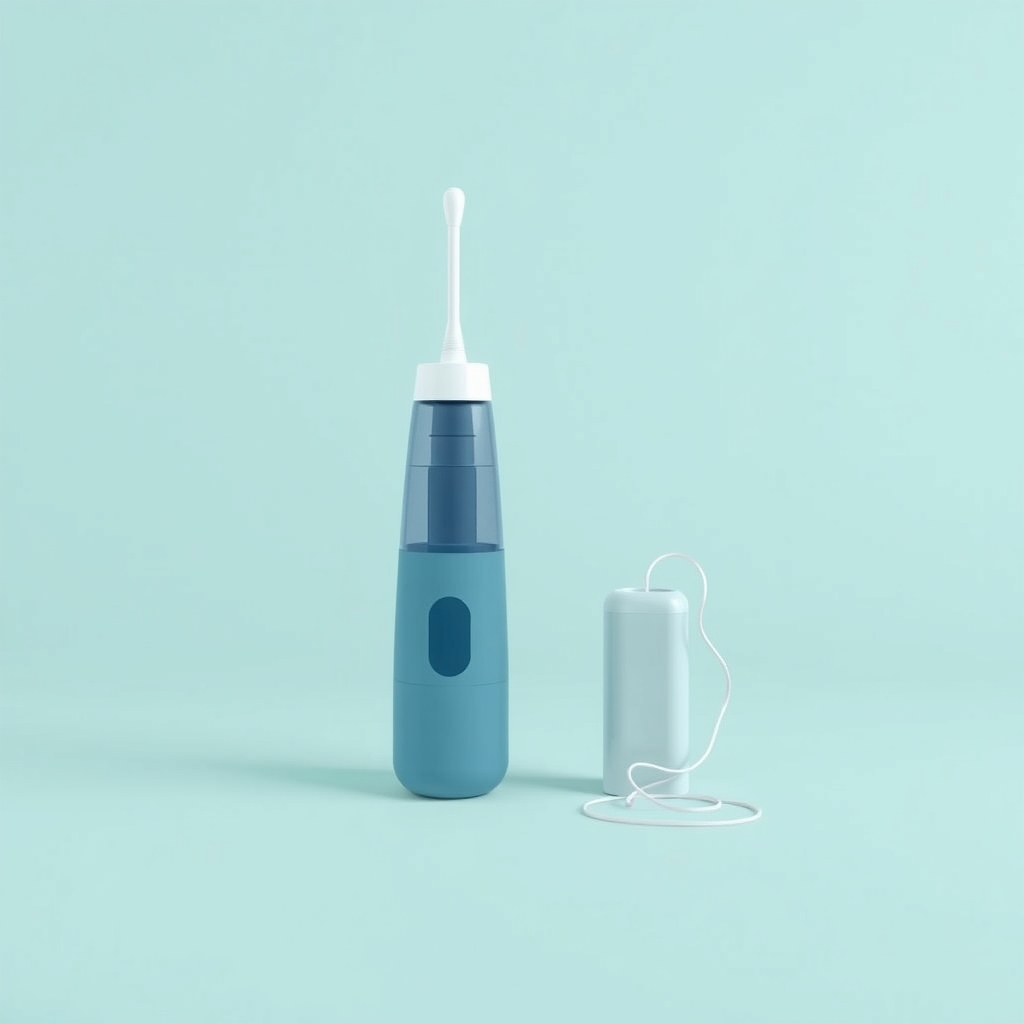
A water flosser uses a steady or pulsating stream of water directed between teeth and along the gumline to flush out debris and reduce plaque. It does not scrape the tooth surface the way floss does, but the water pressure can dislodge particles that brushing misses.
Advantages of Water Flossers
- Easier for people with limited hand mobility or dexterity
- Often preferred by patients with braces, implants, or bridges
- Can reach deeper pockets around the gums in some cases
- Generally gentle on gum tissue when used correctly
Limitations of Water Flossers
- Higher upfront cost compared to a box of floss
- Needs counter space, water refills, and occasional cleaning
- May not remove sticky plaque as thoroughly as string floss on its own
- Requires electricity or batteries
Side by Side Comparison
| Factor | String Floss | Water Flosser |
|---|---|---|
| Plaque removal | Strong, direct scraping action | Good flushing action, less scraping |
| Ease of use | Needs practice and dexterity | Simple to learn, good for limited mobility |
| Best for braces or bridges | Possible but fiddly | Often easier and more comfortable |
| Cost | Low, ongoing small expense | Higher one time device cost |
| Portability | Very portable | Less portable, some travel models exist |
Which One Should You Choose
There is no single right answer for everyone. If you already floss comfortably with string floss and have no issues reaching between your teeth, there is usually no need to switch. If you struggle with dexterity, have braces, implants, or wide gum pockets, a water flosser may be a more realistic habit to maintain.
Some patients at our Sector 31, Gurugram clinic choose to use both, a water flosser for general freshening and a quick pass of string floss for tighter contact points. The best interdental cleaning method is ultimately the one you will use correctly and consistently, every single day.
Cost Considerations
String floss typically costs very little per month. Water flossers involve a one time purchase, with basic countertop models and cordless versions both available. In Sector 31, Gurugram, patients can expect a typical range for a decent water flosser depending on the brand and features, with replacement tips adding a small ongoing cost. We never promise exact pricing since models and needs vary, but either option is a reasonable long term investment in your gum health.
Getting Personalized Advice
Your gum shape, tooth spacing, and any dental work you have can all affect which tool works best for you. A dental checkup is a good opportunity to ask which interdental cleaning method your dentist recommends based on your specific mouth, rather than guessing on your own.
Have questions about your teeth?
The Tooth Atelier · Basement, C-3, Shrimati Santhosh Yadav Rd, Sector 31, Gurugram
Frequently asked questions
Can a water flosser fully replace string floss?
For most people, string floss or another form of interdental cleaning is still recommended alongside brushing. A water flosser can be a helpful addition, especially if you find string floss difficult, but check with your dentist about what suits your mouth best.
Is a water flosser better for braces or implants?
Many patients with braces, bridges, or implants find water flossers easier to use around these areas since they can reach spots that string floss struggles with. Your dentist can suggest the right technique for your specific dental work.
How often should I use a water flosser or string floss?
Once a day is generally enough for either method. Consistency matters more than which tool you choose, so pick the one you will actually use every day.
Do water flossers hurt the gums?
When used correctly at a moderate pressure setting, water flossers are gentle on healthy gums. If you have sensitive or bleeding gums, start on a lower setting and ask your dentist for guidance.
Treatment costs mentioned on this page are indicative ranges for the Sector 31, Gurugram region. Your exact cost depends on your case and will be confirmed after a clinical examination at the clinic.