Electric vs Manual Toothbrush: Which One Should You Choose?
Walk into any pharmacy in Sector 31, Gurugram and you will find a wall of toothbrush options, from simple manual ones to battery-powered and rechargeable electric models. Patients often ask us at The Tooth Atelier which type is actually better for their teeth and gums. The honest answer is that both can work very well, but each suits different habits, budgets, and dental needs. Here is a clear comparison to help you decide.
Plaque Removal: What the Evidence Shows
Several long-term studies comparing electric and manual toothbrushes have found that oscillating-rotating electric toothbrushes can remove somewhat more plaque and reduce gum bleeding compared to manual brushing, especially over months of regular use. Sonic and vibrating electric brushes also perform well, though results vary by brand and bristle design.
That said, a manual toothbrush used with correct technique for a full two minutes, twice daily, can also control plaque effectively. The biggest factor in plaque removal is not the brush itself but how thoroughly and consistently it is used.
Technique Matters More Than the Tool
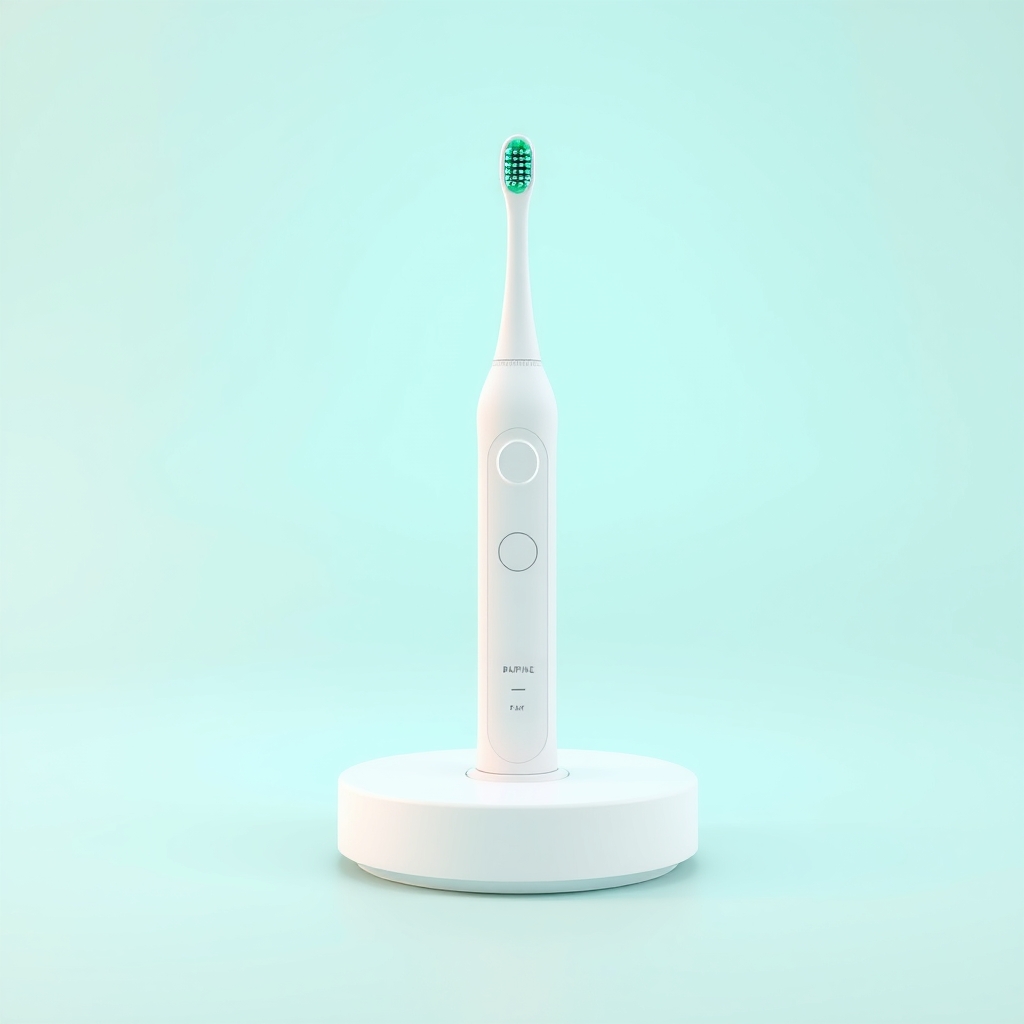
Many people under-brush with a manual toothbrush, either rushing through it or using a scrubbing motion that misses the gumline. Electric toothbrushes often help here because:
- Built-in timers encourage a full two-minute brushing session
- Pressure sensors alert you if you are pressing too hard, which can protect gums and enamel
- The brush head does the oscillating or vibrating motion, so less manual effort is needed to reach difficult areas
With a manual brush, you need to consciously use gentle, circular motions and angle the bristles toward the gumline at 45 degrees. It works well, but it does require more mindful technique and discipline.
Who Benefits Most From Electric Brushes
- People with limited hand dexterity, such as older adults or those with arthritis
- Patients who tend to brush too hard and risk gum recession
- Those with braces, implants, or dental work that needs careful, consistent cleaning
- Anyone who struggles to brush for the full recommended two minutes
Who May Do Fine With a Manual Brush
- Patients with good brushing technique and discipline
- People who travel frequently and prefer a simple, no-charging option
- Those on a tighter budget who still want effective oral care
- Children just learning to brush, under parental guidance
Cost Comparison
Cost is often the deciding factor for many patients visiting us from Sector 31 and nearby areas. Here is a general idea of the typical range you might expect in the local market.
| Toothbrush Type | Typical Range (INR) | Ongoing Cost |
|---|---|---|
| Basic manual toothbrush | Rs 20 to Rs 150 | Replace every 3 months |
| Mid-range electric toothbrush | Rs 1,500 to Rs 4,000 | Replacement heads every 3 months |
| Premium electric toothbrush (app-connected, multiple modes) | Rs 5,000 to Rs 12,000+ | Replacement heads, occasional battery or device servicing |
Manual brushes are clearly cheaper upfront and ongoing. Electric brushes cost more initially and need periodic head replacements, but many patients find the investment worthwhile if it genuinely improves their brushing habits.
Suitability for Specific Dental Needs
If you have gum disease, sensitive teeth, braces, or dental implants, your specific situation may make one option more suitable. For example, patients with gum recession are often advised to use a soft-bristled brush (manual or electric) with gentle pressure. Patients with orthodontic brackets may find electric brushes easier for reaching around wires and brackets.
During your check-up at The Tooth Atelier, we can look at your gum health, enamel condition, and any dental work you have, then suggest which brushing approach fits best. There is no single correct answer for everyone.
Our Practical Recommendation
Choose the toothbrush you will actually use correctly and consistently. If a manual brush keeps you diligent about two-minute sessions and gentle technique, that is a perfectly good choice. If you know you rush brushing or press too hard, an electric brush with a timer and pressure sensor may help more. Either way, pair your choice with fluoride toothpaste, daily flossing, and regular dental visits for the best results.
Have questions about your teeth?
The Tooth Atelier · Basement, C-3, Shrimati Santhosh Yadav Rd, Sector 31, Gurugram
Frequently asked questions
Is an electric toothbrush really better than a manual one?
Research shows electric toothbrushes, especially oscillating-rotating types, can remove slightly more plaque and reduce gum inflammation more than manual brushing over time. But a manual brush used correctly for two minutes twice a day can also keep your mouth healthy. Technique and consistency matter more than the brush type alone.
Can children use electric toothbrushes?
Yes, many kid-friendly electric toothbrushes are available with smaller heads, timers, and softer bristles. They can make brushing more fun and help with consistency, but supervision is still needed for young children.
How often should I change my toothbrush or brush head?
Every 3 months, or sooner if the bristles look frayed. This applies to both manual toothbrushes and electric brush heads. A worn brush cleans less effectively regardless of type.
Which toothbrush is better if I have sensitive teeth or gum recession?
A soft-bristled manual brush with gentle technique, or an electric brush with a pressure sensor, both work well. The pressure sensor on electric brushes can specifically help patients who tend to brush too hard.
Treatment costs mentioned on this page are indicative ranges for the Sector 31, Gurugram region. Your exact cost depends on your case and will be confirmed after a clinical examination at the clinic.