How Chronic Nail Biting Damages Your Teeth and Jaw
Nail biting feels harmless, almost automatic, something many of us do while studying, working, or watching a stressful match. But if you or your child bite nails regularly, your teeth and jaw are absorbing more stress than you might realise. At The Tooth Atelier in Sector 31, Gurugram, we see patients of all ages with enamel wear, small chips, and jaw discomfort traced back to years of this habit.
Why Nail Biting Is Hard on Your Teeth
Teeth are strong, but they are designed for chewing food, not gripping and tearing hard keratin like fingernails. Repeated biting puts uneven, sharp pressure on the front teeth in particular.
Enamel Wear and Chipping
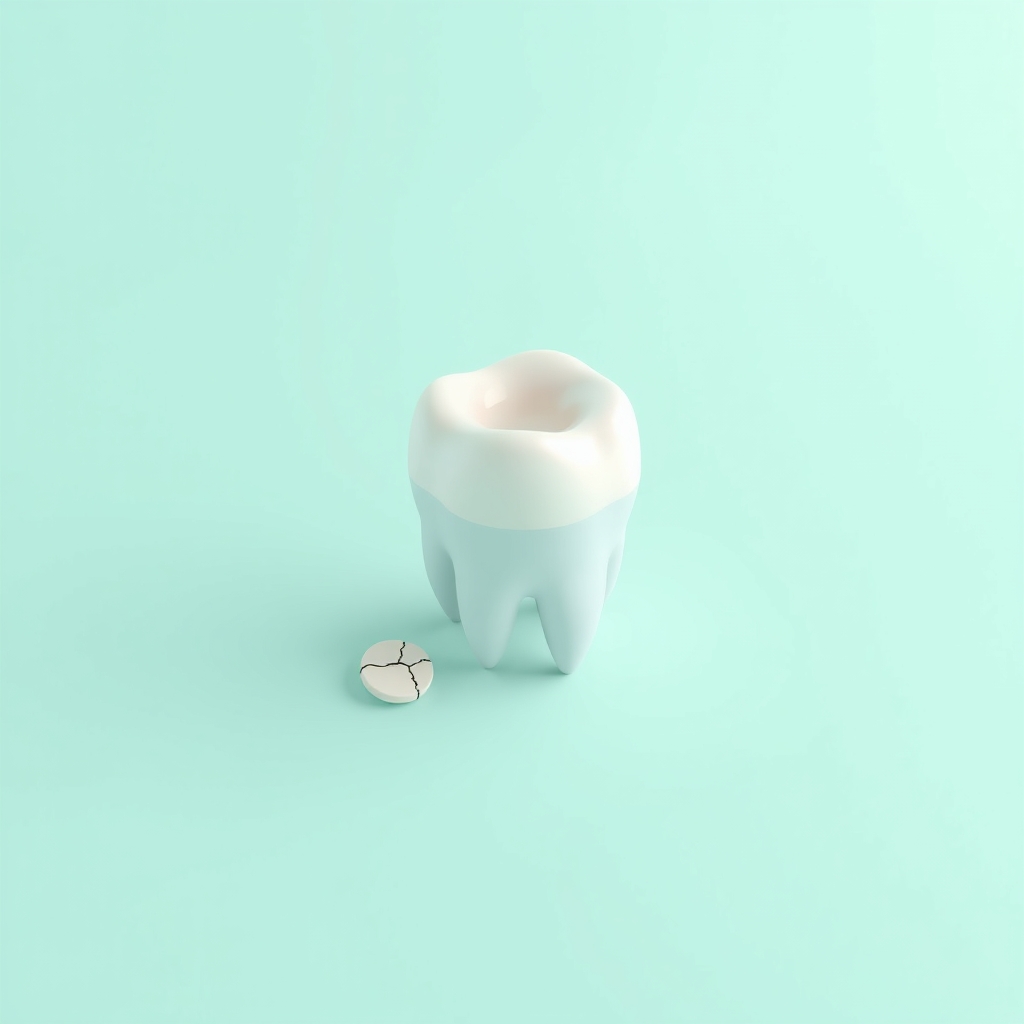
Enamel is the hard outer layer that protects your teeth, but it does not grow back once damaged. Constant nibbling can wear it down slowly or cause sudden small chips, especially on the biting edges of the upper and lower front teeth. Over time this can make teeth look uneven and feel rough or sensitive to cold drinks.
Shifting Tooth Alignment
Nails are held between the front teeth in a very specific position. Doing this daily, for months or years, applies a steady forward or sideways force. In children and teenagers whose jaws are still developing, this can genuinely shift tooth position, sometimes undoing progress made with braces or aligners. In adults, it can create small gaps or rotations that were not there before.
Jaw Strain and Clenching
Biting nails often means holding the jaw in an awkward, locked position for long stretches, sometimes alongside clenching from concentration or stress. This repeated strain on the jaw joint, known as the TMJ, can lead to soreness, clicking sounds, or morning jaw fatigue, particularly if the habit happens during stressful periods at work or school.
Other Dental Risks Worth Knowing
- Nails carry bacteria and dirt that gets transferred directly into the mouth
- Rough or chipped edges on teeth can catch on lips and cheeks, causing small cuts
- Existing dental work, such as fillings or crowns, can loosen or crack under repeated biting pressure
- Some people unconsciously bite nails more on one side, leading to uneven wear
Signs the Habit May Already Be Affecting You
| What You Notice | Possible Cause |
|---|---|
| Rough or jagged front teeth | Gradual enamel wear from biting |
| Small visible chip on a front tooth | Sudden fracture from hard biting |
| Front teeth look slightly more forward than before | Pressure-related shifting over time |
| Jaw feels tired or clicks when opening wide | Jaw joint strain from prolonged biting |
How to Break the Habit
Stopping nail biting takes patience, and most people need more than willpower alone. These practical steps can help.
- Keep nails trimmed short. There is less to bite, which reduces the temptation.
- Try a bitter-tasting nail polish. These over-the-counter products make biting unpleasant without any harm.
- Identify your triggers. Many people bite nails during stress, boredom, or screen time. Noticing the pattern is the first step to changing it.
- Keep hands busy. A stress ball, fidget toy, or even doodling can redirect the urge.
- Treat yourself to regular manicures. Some people find it harder to bite nails they have spent money maintaining.
- Use a night guard if clenching is involved. This protects teeth from both biting habits and nighttime grinding.
When to See a Dentist
If you notice chipped edges, sensitivity, or a change in how your teeth meet when you bite down, it is worth getting checked rather than waiting. Early damage is often simple to manage with minor cosmetic smoothing or bonding, while jaw strain can usually be eased with simple habit changes and, if needed, a protective guard. Catching these issues early helps avoid more involved treatment later.
If nail biting runs in your family or has been a long-term habit for you or your child, a check-up at The Tooth Atelier in Sector 31, Gurugram can confirm whether any damage has occurred and guide the right next steps for your smile and jaw comfort.
Have questions about your teeth?
The Tooth Atelier · Basement, C-3, Shrimati Santhosh Yadav Rd, Sector 31, Gurugram
Frequently asked questions
Can nail biting actually move my teeth out of position?
Yes, if the habit is frequent and long-term. Constant pressure from biting can gradually push front teeth out of alignment, especially in children and teens whose jaws are still developing.
Is nail biting worse than thumb sucking for teeth?
Both can cause similar alignment problems, but nail biting adds the risk of chipped enamel and jaw strain because nails are harder and the biting motion is repetitive and forceful.
How do I know if nail biting has already damaged my teeth?
Look for small chips on front teeth, increased sensitivity, or a feeling that your bite has changed. A dental check-up can confirm the extent of any damage.
Can a dentist help me stop biting my nails?
A dentist can point out early damage, suggest a mouthguard for high-risk times, and refer you to habit-breaking strategies, but the habit itself is usually managed with behavioural techniques.
Treatment costs mentioned on this page are indicative ranges for the Sector 31, Gurugram region. Your exact cost depends on your case and will be confirmed after a clinical examination at the clinic.