How to Keep Teeth and Gums Clean While Wearing Braces
Braces do a wonderful job of straightening teeth, but the brackets and wires create extra nooks where food and plaque can hide. If you are a patient in Sector 31, Gurugram currently undergoing orthodontic treatment, or a parent managing a child's braces at home, a steady cleaning routine is the single biggest factor in avoiding cavities, gum inflammation, and those stubborn white spots on the enamel. Here is a practical, everyday approach.
Why Cleaning Matters More With Braces
Brackets and wires trap food debris and bacteria far more easily than smooth, bare teeth. If plaque is not removed regularly, it can lead to swollen gums, bad breath, and early signs of decay around the brackets. White spot lesions, which look like faint chalky marks on the enamel, are one of the most common and preventable side effects of poor cleaning during orthodontic treatment.
Brushing With Braces: Step by Step
- Rinse your mouth with water first to loosen loose food particles.
- Use a soft-bristled brush, either manual or a gentle electric toothbrush, with fluoride toothpaste.
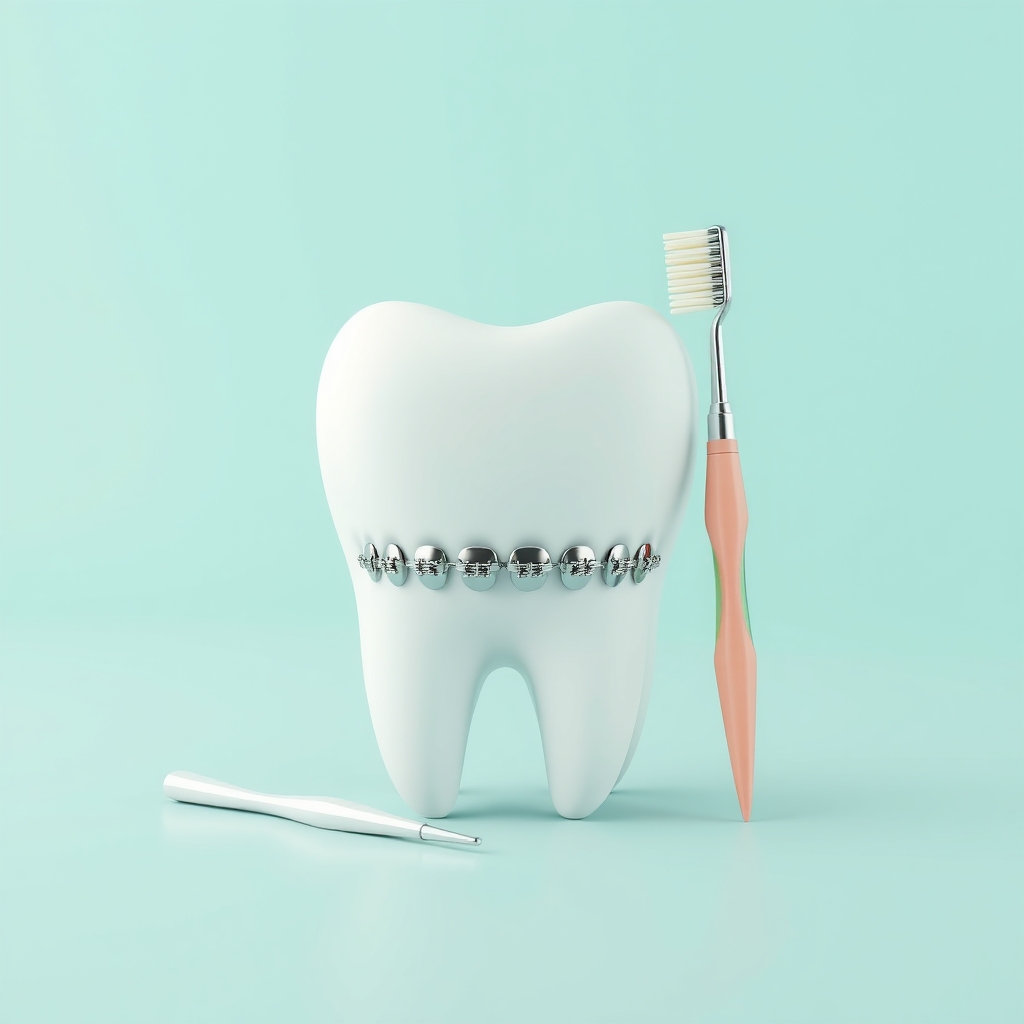
- Brush at a 45-degree angle above each bracket, then below it, covering the gumline as well as the tooth surface.
- Brush the chewing surfaces and the inside surfaces of your teeth as usual.
- Finish with a focused pass along the gumline, since braces can make gums prone to mild inflammation if plaque collects there.
This usually takes a little longer than brushing without braces, so aim for at least two to three minutes, two to three times a day.
Choosing the Right Toothbrush
An orthodontic toothbrush, which has bristles cut in a V-shape to fit around brackets, can make this easier. Electric toothbrushes with a sensitive or orthodontic mode are also a good option. Whichever you choose, soft bristles are important to avoid irritating the gums or loosening brackets.
Flossing With Braces
Regular floss cannot slide between teeth when a wire is in the way, which is why a few extra tools make a real difference.
- Floss threaders: A small plastic loop helps guide floss under the wire so you can floss between teeth as usual.
- Orthodontic floss with a stiff end: This built-in threader design saves time compared to separate threaders.
- Interdental brushes: These small, cone-shaped brushes clean between brackets and under wires efficiently and are often quicker than threading floss every time.
Try to floss at least once a day, ideally at night, so plaque does not sit undisturbed while you sleep.
Other Tools Worth Using
| Tool | What It Helps With |
|---|---|
| Water flosser | Flushes out loose debris around wires and brackets, useful after meals |
| Fluoride mouth rinse | Adds extra protection against early decay and white spots |
| Interdental brush | Cleans tight spaces between brackets and teeth |
| Orthodontic wax | Reduces irritation from brackets rubbing against cheeks or lips |
Foods and Habits to Watch
Sticky, hard, or very sugary foods can dislodge brackets or feed plaque bacteria. Being mindful of a few habits goes a long way:
- Avoid chewy sweets, hard nuts, and ice, which can bend wires or pop off brackets.
- Cut harder fruits and vegetables into smaller pieces rather than biting directly into them.
- Limit sugary drinks and snacks, since they encourage plaque buildup around brackets.
- Carry a travel toothbrush or interdental brush to clean up after meals when you are out.
Keeping Up With Dental Visits
Orthodontic adjustment visits focus on tooth movement, so it is still important to see a general dentist for cleanings and check-ups during treatment. Professional cleaning removes hardened plaque that brushing and flossing alone cannot reach, and it gives your dentist a chance to spot early white spots or gum concerns before they progress. At The Tooth Atelier in Sector 31, Gurugram, our team can also guide you on technique and recommend the right tools for your specific brackets and wires.
A Simple Daily Routine to Follow
- Morning: Brush thoroughly with an orthodontic or soft-bristled brush.
- After meals: Rinse with water and use a travel brush or interdental brush if possible.
- Evening: Brush, floss with a threader or interdental brush, and finish with a fluoride rinse.
Staying consistent with this routine, even on busy days, is the best way to protect your enamel and gums until your braces come off.
Have questions about your teeth?
The Tooth Atelier · Basement, C-3, Shrimati Santhosh Yadav Rd, Sector 31, Gurugram
Frequently asked questions
How long should I brush with braces?
Spend at least two to three minutes brushing, making sure to angle the brush above and below each bracket. Rushing is the main reason plaque gets left behind around braces.
Why are white spots a concern with braces?
White spots are early signs of enamel demineralisation caused by plaque sitting around brackets for too long. They can remain even after braces come off, so daily cleaning really matters.
Can I use a water flosser instead of string floss with braces?
A water flosser can help flush out food particles around wires and brackets, but it does not fully replace floss threaders or interdental brushes for removing sticky plaque. Many patients use both together.
How often should I visit the dentist during orthodontic treatment?
Along with your orthodontist's adjustment visits, a dental check-up and cleaning every six months is generally advised to catch any plaque buildup or early decay early.
Treatment costs mentioned on this page are indicative ranges for the Sector 31, Gurugram region. Your exact cost depends on your case and will be confirmed after a clinical examination at the clinic.